
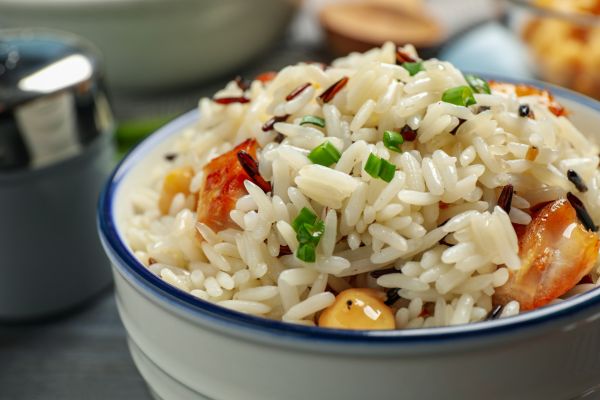
Rice has a special kind of magic in Middle Eastern cooking. It may look simple at first, just a bowl of fluffy grains sitting beside grilled meat, roasted vegetables, or a rich stew. But once you taste it, you quickly realize it is rarely plain. It carries the warmth of cinnamon, the brightness of herbs, the sweetness of dried fruit, the richness of butter, and sometimes the deep comfort of slow-cooked meat juices. That is what makes Middle Eastern rice recipes so memorable. They do not treat rice as a side dish that simply fills the plate. They turn it into something fragrant, generous, and full of personality.
Across the region, rice appears in countless forms. In Lebanon, it may be cooked with vermicelli until nutty and golden. In the Gulf, it may arrive layered with spiced meat and dried limes. In Persian kitchens, rice is treated almost like an art form, with delicate saffron, crisp tahdig, and carefully separated grains. In Palestinian and Jordanian homes, rice often becomes the heart of a family meal, soaked with yogurt sauce, lamb broth, or roasted chicken drippings.
The beauty of these dishes is that they feel both festive and everyday. A well-made pot of Middle Eastern rice can sit at the center of a celebration, yet it can also make a quiet weeknight dinner feel warmer and more complete.
The Flavor Foundation Behind Middle Eastern Rice
What sets Middle Eastern rice apart is not one single ingredient. It is the layering of small details. The rice is often rinsed well to remove extra starch, helping the grains stay separate instead of sticky. Aromatics like onion, garlic, and spices are gently cooked before the rice goes in. Stock is often used instead of water, giving the dish more depth. And then there are the finishing touches: toasted nuts, fresh parsley, fried onions, raisins, herbs, yogurt, or a drizzle of clarified butter.
Spices are used with care. You may find cinnamon, allspice, cardamom, cumin, turmeric, saffron, cloves, black pepper, or coriander, but they usually do not shout. They sit in the background, warming the dish and giving it that unmistakable aroma that fills the kitchen before anyone even sits down to eat.
Another important detail is texture. Middle Eastern rice dishes often balance softness with crunch. Tender grains may be topped with toasted almonds or pine nuts. A creamy rice-and-lentil dish might be finished with crisp fried onions. A saffron rice platter may include chewy dried fruits and juicy pieces of meat. This attention to contrast is one reason these recipes feel so satisfying.
Lebanese Rice with Vermicelli
One of the most familiar Middle Eastern rice recipes is Lebanese rice with vermicelli. It is simple, comforting, and incredibly useful because it goes with almost everything. You can serve it with grilled chicken, kafta, beef shawarma, vegetable stew, or roasted eggplant.
The dish begins by browning short pieces of vermicelli pasta in butter or oil. This step is small but important. As the pasta turns golden, it gives the rice a warm, nutty flavor. Long-grain rice is then added and lightly coated before stock or water goes in. Once cooked, the grains become fluffy, and the toasted vermicelli is scattered throughout like little golden threads.
The result is mild but flavorful, making it perfect for saucy dishes. It does not compete with the main course, but it adds enough character to make the whole plate feel complete. A spoonful of garlic yogurt or a bright cucumber salad on the side makes it even better.
Majboos Rice with Gulf-Style Spices
Majboos, also known in some places as machboos, is a deeply fragrant rice dish popular in Gulf countries. It is often made with chicken, lamb, or fish, and it has a bolder spice profile than many simpler rice dishes. The flavor usually comes from a mixture of spices such as cardamom, cinnamon, cloves, cumin, black lime, turmeric, and bay leaves.
Black lime is one of the ingredients that gives majboos its distinctive character. It adds a tangy, slightly smoky depth that works beautifully with meat and rice. The meat is often simmered first with spices, onions, tomatoes, and broth. The rice is then cooked in that flavorful liquid, absorbing everything as it steams.
When the pot is opened, the aroma is rich and earthy. The rice has color, warmth, and complexity. It is the kind of dish that does not need much beside it, perhaps just a fresh salad, yogurt, or a simple tomato and onion relish. Majboos is filling, but it does not feel heavy when balanced with something cool and fresh.
Persian Saffron Rice
Persian saffron rice is elegant in a quiet way. It does not rely on heavy spices or too many ingredients. Instead, it celebrates technique, fragrance, and the beauty of perfectly cooked rice. Basmati rice is usually rinsed and soaked, then parboiled before being steamed. This gives the grains length and softness while keeping them separate.
Saffron is the star. A small pinch is bloomed in warm water, releasing its golden color and floral aroma. Some of the cooked rice is mixed with this saffron liquid and then scattered over the white rice, creating a beautiful yellow-and-white contrast.
Then there is tahdig, the prized crispy layer at the bottom of the pot. It may be made with rice, thin slices of potato, or even flatbread. For many families, tahdig is the part everyone reaches for first. Crisp, golden, and buttery, it brings texture and a little drama to the table.
Persian saffron rice pairs wonderfully with stews, kebabs, roasted chicken, and grilled vegetables. It feels refined, but it is also deeply comforting.
Mujadara with Rice and Lentils
Mujadara is one of those humble dishes that proves simple food can be unforgettable. Made with rice, lentils, and onions, it is popular in different forms across Lebanon, Syria, Palestine, Jordan, and beyond. The ingredients are inexpensive, but the final dish has a rich, satisfying flavor.
The secret is the onions. They are sliced and slowly cooked until deeply golden, sometimes even crisp at the edges. Some are stirred into the rice and lentils, while the rest are piled on top. Their sweetness transforms the whole dish.
Mujadara is usually seasoned with cumin, black pepper, and salt. Some versions use bulgur instead of rice, but rice gives it a softer and more familiar texture. It is often served with yogurt, cucumber salad, pickles, or a squeeze of lemon. The coolness of yogurt against the earthy lentils and sweet onions is especially good.
This is not a fancy dish, but it has soul. It is the kind of food that feels nourishing without trying too hard.
Maqluba, the Upside-Down Rice Dish
Maqluba means “upside down,” and the name describes exactly what happens at the end of cooking. This famous Palestinian, Jordanian, and Levantine dish is made by layering rice, vegetables, and meat in a pot, then flipping it onto a large serving platter.
The vegetables may include eggplant, cauliflower, potatoes, carrots, or tomatoes. They are often fried or roasted first, which gives the dish a deeper flavor. Chicken or lamb is commonly used, though vegetarian versions can also be delicious. The rice is seasoned with warm spices and cooked in broth so it absorbs all the flavors from the layers below.
The exciting part comes when the pot is turned over. If everything holds together, the rice emerges in a beautiful dome, with vegetables and meat arranged across the top. Even when it falls apart slightly, nobody really minds. The taste is what matters, and maqluba has plenty of it.
It is a true family-style dish, best served in the center of the table with yogurt, salad, and maybe a few pickles on the side.
Kabsa Rice with Chicken or Lamb
Kabsa is one of the most beloved rice dishes in Saudi Arabia and is enjoyed across the Arabian Peninsula. It is bold, aromatic, and usually cooked with chicken or lamb. Tomatoes, onions, garlic, and spices create the base, while rice cooks in the seasoned broth until it becomes rich and fragrant.
The spice mix can vary, but it often includes cardamom, cinnamon, cloves, black pepper, cumin, coriander, and sometimes dried lime. Some versions include carrots, raisins, or almonds, adding sweetness and texture. The meat may be cooked with the rice or prepared separately and placed on top.
Kabsa is often served on a large platter, making it ideal for gatherings. It has that generous, abundant feeling that Middle Eastern cooking is known for. Every spoonful has something going on: soft rice, tender meat, spice, sweetness, and warmth.
Rice Stuffed Vegetables
Rice is also a key filling in many Middle Eastern stuffed vegetable dishes. Grape leaves, zucchini, eggplant, peppers, cabbage leaves, and tomatoes are often filled with seasoned rice. Some versions include minced meat, while others are vegetarian and flavored with herbs, olive oil, lemon, and tomato.
Stuffed grape leaves, known as warak enab or dolma depending on the region, are especially loved. The rice filling is usually mixed with parsley, mint, tomato, onion, lemon juice, and olive oil. Once rolled and simmered, the leaves become tender, and the rice absorbs the tangy, herbal flavors.
Stuffed vegetables take time, but that is part of their charm. They are often made in large batches, with family members helping to hollow, roll, fill, and arrange everything in the pot. The result is delicate, comforting, and full of tradition.
How to Make Middle Eastern Rice Taste Better at Home
Even a basic rice dish can taste more Middle Eastern with a few thoughtful touches. Start by rinsing the rice until the water runs mostly clear. This helps prevent clumping and gives you lighter grains. Toasting the rice briefly in butter or olive oil before adding liquid can also add more flavor.
Use stock when possible, especially for rice served with meat or vegetables. Add whole spices like cardamom pods, cinnamon sticks, or bay leaves during cooking, then remove them before serving. A small amount of turmeric can bring warmth and color, while saffron adds a more delicate aroma.
Do not skip garnishes. Toasted almonds, pine nuts, pistachios, fresh herbs, caramelized onions, or a spoonful of yogurt can turn a simple pot of rice into something special. Lemon also helps. A little brightness at the end can lift the whole dish.
Conclusion
Middle Eastern rice recipes show how much flavor can come from patience, fragrance, and balance. A pot of rice may begin with simple grains, but with spices, broth, herbs, nuts, vegetables, or slow-cooked meat, it becomes something far more expressive. From Lebanese vermicelli rice to Persian saffron rice, from hearty mujadara to dramatic maqluba, these dishes carry the warmth of home kitchens and shared tables.
What makes them so appealing is not just the taste, but the feeling they create. They are generous without being fussy, comforting without being dull, and rich with tradition while still easy to adapt. Whether served beside grilled meat, tucked inside vegetables, or presented as the main dish itself, Middle Eastern rice has a way of making a meal feel complete.