A well-stocked pantry can make the difference between ordering takeout and preparing a satisfying meal with what you already have. It does not need to look like a supermarket aisle, and it certainly does not require dozens of specialty ingredients. The most useful pantry is simply one that supports the way you cook.
Keeping a thoughtful selection of pantry staples to always have at home means you are rarely starting from nothing. A few dependable ingredients can become pasta, soup, curry, rice bowls, baked goods, quick breakfasts, or an emergency dinner on a busy evening. They also make fresh ingredients go further. A handful of vegetables may not seem like a complete meal, but add rice, beans, spices, and a good sauce, and suddenly there is plenty to work with.
The goal is not to collect food for the sake of filling shelves. It is to build a flexible kitchen foundation that saves time, reduces waste, and makes everyday cooking feel easier.
A Practical Pantry Begins with Everyday Grains
Grains are often the backbone of simple home cooking. Rice is one of the most versatile choices because it can accompany almost anything, from roasted vegetables and grilled chicken to lentil curry and stir-fried eggs. White rice stores well and cooks relatively quickly, while brown rice offers a nuttier flavor and firmer texture.
Pasta deserves a regular place on the shelf too. A packet of spaghetti, penne, or another favorite shape can solve dinner with little more than olive oil, garlic, canned tomatoes, or grated cheese. Pasta is especially helpful when the refrigerator looks nearly empty and everyone is hungry.
Oats are another quiet pantry hero. They work for warm breakfasts, overnight oats, homemade granola, cookies, and even savory dishes. Flour, meanwhile, allows for pancakes, quick breads, sauces, coatings, and basic baking. Home cooks who rarely bake may only need all-purpose flour, while enthusiastic bakers might also keep whole-wheat or bread flour nearby.
Couscous, quinoa, cornmeal, and noodles can be useful additions, but the best choices depend on what you genuinely enjoy eating. A staple is only valuable when it regularly finds its way onto your plate.
Beans and Lentils Make Meals More Substantial
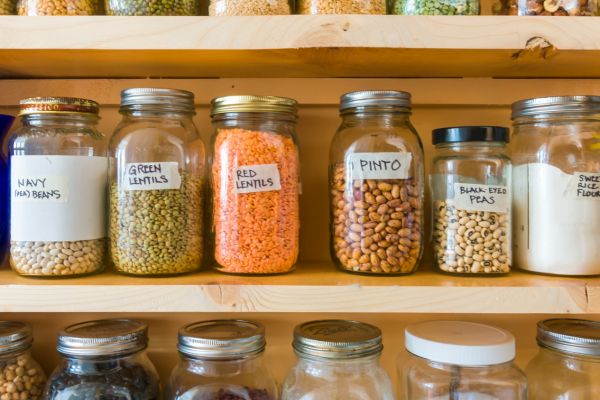
Beans and lentils are among the most economical and dependable ingredients a home cook can keep. They provide protein, fiber, texture, and substance without demanding complicated preparation.
Canned beans are ideal for speed. Chickpeas can be tossed into salads, blended into hummus, stirred into curries, or roasted until crisp. Black beans fit naturally into tacos, rice bowls, soups, and simple skillet meals. Cannellini beans add creaminess to pasta and vegetable soups, while kidney beans are useful for chili and hearty stews.
Dried beans take longer to cook but are often less expensive and allow more control over texture and seasoning. Lentils are especially convenient because many varieties cook without soaking. Red lentils break down beautifully in soups and dals, while green or brown lentils hold their shape in salads and stews.
These ingredients are particularly helpful near the end of the week, when fresh groceries are running low. Combined with onions, spices, tomatoes, and a grain, they can create a meal that feels complete rather than improvised.
Canned Tomatoes Bring Depth to Quick Cooking
Canned tomatoes are one of the most important pantry staples to always have because they form the foundation of so many dishes. Whole peeled tomatoes, crushed tomatoes, diced tomatoes, and tomato paste each serve slightly different purposes, but there is no need to stock every type.
Crushed tomatoes are useful for pasta sauces, soups, curries, and stews. Whole tomatoes can be broken apart by hand and tend to offer a fresher texture in slow-cooked sauces. Tomato paste provides concentrated flavor and can deepen everything from chili to braised meat.
A spoonful of tomato paste browned in a little oil develops surprising richness. Add garlic, dried herbs, canned tomatoes, and pasta, and dinner is already taking shape. That kind of flexibility is exactly what a pantry staple should provide.
Other canned vegetables can be practical too. Corn, pumpkin, artichoke hearts, and roasted peppers bring variety when fresh produce is unavailable. The key is to select items you actually use rather than filling shelves with cans that remain untouched for years.
Oils and Vinegars Build the Base of Flavor
Cooking oil is essential, but most kitchens do not need an enormous collection. A neutral oil, such as vegetable, sunflower, or canola oil, is suitable for frying, sautéing, and baking. Olive oil works well for sauces, dressings, roasting, and finishing dishes.
Vinegar brings balance to food. When a soup, sauce, or stew tastes flat, it may not need more salt; it may need a small splash of acidity. White vinegar is useful for pickling and household cooking, while apple cider vinegar has a softer, fruitier character. Red wine vinegar, rice vinegar, or balsamic vinegar may be worth keeping if they suit your usual recipes.
These ingredients also make homemade salad dressings effortless. Oil, vinegar, mustard, salt, and pepper can be shaken together in less than a minute. Add honey, garlic, or dried herbs, and the dressing changes entirely.
Spices Turn Basic Ingredients into Real Meals
A pantry filled with grains and beans is practical, but spices are what give those ingredients personality. Salt and black pepper are the starting point. From there, a small, carefully chosen collection is more useful than a crowded cabinet of forgotten jars.
Cumin adds warmth to lentils, beans, roasted vegetables, and meat. Paprika brings color and mild sweetness, while chili powder or crushed red pepper adds heat. Turmeric works beautifully in rice, curries, soups, and egg dishes. Cinnamon moves easily between sweet and savory cooking.
Dried oregano, thyme, rosemary, and bay leaves are useful for Mediterranean-style dishes, soups, tomato sauces, and roasted foods. Garlic powder and onion powder are convenient when fresh aromatics are unavailable or when a dish needs quick seasoning.
Spices lose strength over time, so buying smaller quantities often makes more sense. A modest collection that is used frequently will create better food than dozens of faded seasonings gathering dust.
Condiments Offer Fast, Concentrated Flavor
Condiments are not always stored in the pantry after opening, but they remain part of a well-planned kitchen. Soy sauce can season noodles, rice, marinades, soups, and stir-fries. Mustard adds sharpness to dressings, sandwiches, and pan sauces. Hot sauce can rescue bland leftovers with a few drops.
Honey and sugar are useful beyond baking. They balance acidic sauces, glaze vegetables, sweeten drinks, and soften the heat in spicy dishes. Peanut butter or another nut butter can become breakfast, a snack, a baking ingredient, or the base of a savory sauce.
Tahini, mayonnaise, ketchup, Worcestershire sauce, and coconut milk may also earn permanent space depending on your cooking habits. The most reliable pantry is personal. Someone who cooks South Asian food will stock differently from someone who regularly prepares Italian, Mexican, or East Asian dishes.
Baking Basics Are Useful Even for Occasional Bakers
You do not need to bake every weekend to benefit from keeping a few basic ingredients at home. Baking powder and baking soda make quick pancakes, muffins, biscuits, and simple cakes possible. Sugar, flour, cocoa powder, vanilla, and chocolate chips can turn an ordinary evening into a spontaneous baking session.
These ingredients also have uses beyond desserts. Baking soda can help with browning and tenderizing in certain recipes, while cornstarch thickens sauces, gravies, puddings, and pie fillings.
Nuts, raisins, dried cranberries, and seeds can add texture to oatmeal, yogurt, salads, and baked goods. Because they contain natural oils, some store better in the refrigerator or freezer, particularly in warm climates.
Onions, Garlic, and Potatoes Bridge the Pantry and Fresh Kitchen
Some of the most valuable staples are not technically shelf-stable for months, yet they keep long enough to function as pantry basics. Onions and garlic begin countless recipes and can transform plain ingredients through slow cooking, browning, or roasting.
Potatoes are equally dependable. They can be mashed, baked, fried, roasted, added to soup, or cooked into a simple curry. Sweet potatoes provide another versatile option, with a naturally rich flavor that works in both savory and sweet dishes.
These ingredients should be stored in a cool, dry, ventilated place. Potatoes and onions are best kept separately because storing them together can encourage faster spoilage.
Stocking Thoughtfully Helps Reduce Food Waste
A useful pantry is not necessarily a large one. Overbuying often leads to expired products, cluttered shelves, and forgotten ingredients. Before shopping, it helps to look through what is already available and notice which items are used most frequently.
Rotating older products toward the front keeps them visible. Clear containers can make grains and lentils easier to monitor, though original packaging works perfectly well when tightly sealed. Labels with purchase dates are helpful for ingredients used less often.
It is also worth resisting the appeal of aspirational shopping. Buying unusual grains, sauces, or spices because they seem interesting can be fun, but they should connect to a real plan. Pantry space is most valuable when it is filled with ingredients that support everyday life.
A Reliable Pantry Makes Cooking Feel More Possible
The best pantry is not the biggest or the most beautifully organized. It is the one that quietly helps on tired evenings, busy mornings, unexpected weekends, and days when grocery shopping simply does not happen.
With grains, beans, tomatoes, oils, seasonings, baking basics, and a few long-lasting vegetables, there is almost always a meal within reach. These pantry staples to always have do more than prevent an empty kitchen. They create options.
That is the real comfort of a well-stocked shelf. It does not dictate what you must cook. It gives you enough of a starting point to decide.