
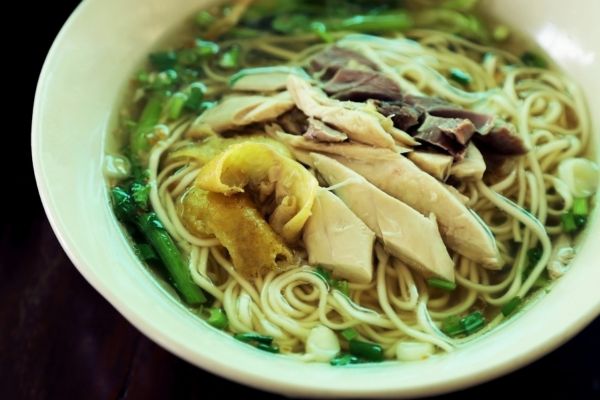
Chinese soup has a quiet kind of comfort. It does not always arrive with heavy cream, thick sauces, or complicated presentation. More often, it comes in a clear broth, a warm bowl, a few carefully chosen ingredients, and a flavor that feels deeper than it looks. That is part of the beauty of Chinese cooking. A simple soup can feel light, nourishing, and satisfying all at once.
Chinese soup recipes are loved for their balance. Some are bright and quick, like egg drop soup. Some are rich and slow, simmered with chicken bones, ginger, herbs, or dried vegetables. Others sit somewhere in the middle, made with tofu, mushrooms, noodles, greens, or seafood. Whether served as a starter, a gentle meal, or something soothing on a cold evening, Chinese soups carry a sense of care.
The best part is that many of these soups are easy to adapt at home. You do not need a professional kitchen or rare ingredients for every bowl. With a good broth, fresh aromatics, and a few basic techniques, you can create soups that taste clean, comforting, and full of character.
Why Chinese Soups Feel So Nourishing
Chinese soups are often built around balance rather than heaviness. Ginger brings warmth. Spring onions add freshness. Mushrooms offer depth. Tofu gives softness. Leafy greens add color and gentle bitterness. A splash of soy sauce or sesame oil can make a plain broth feel complete.
In many Chinese homes, soup is not just an extra dish. It is part of the meal’s rhythm. A light soup may prepare the appetite before rice and stir-fried dishes. A heartier soup with noodles or wontons may become the meal itself. Slow-simmered soups are often associated with family care, especially when someone is tired, cold, or recovering from illness.
Of course, “healthy” depends on how the soup is prepared. A broth overloaded with salt will not feel as gentle on the body. Deep-fried toppings or too much oil can make a light soup heavy. But when cooked with fresh ingredients and mindful seasoning, Chinese soups can be a wonderful way to eat more vegetables, lean protein, and warming aromatics.
The Foundation of a Good Chinese Soup
A good Chinese soup usually begins with broth. Chicken broth is common, but vegetable, mushroom, pork bone, seafood, or beef broth can also be used depending on the recipe. Homemade broth gives the deepest flavor, but a low-sodium store-bought broth can work when time is short.
Aromatics are just as important. Ginger, garlic, scallions, white pepper, dried shiitake mushrooms, star anise, and cilantro can all shape the personality of a soup. The trick is not to use everything at once. Chinese cooking often feels elegant because it knows when to stop.
Texture also matters. A bowl may include silky tofu, tender chicken, crisp greens, springy noodles, or soft wontons. These contrasts keep the soup interesting. Even a very simple broth can feel special when each ingredient has its place.
Classic Egg Drop Soup
Egg drop soup is one of the simplest Chinese soup recipes, yet it still feels beautiful when made well. The magic is in the thin ribbons of egg floating through a warm, savory broth.
To make it, bring chicken or vegetable broth to a gentle simmer with a little grated ginger and a small amount of soy sauce. In a separate bowl, beat eggs until smooth. Stir the simmering broth in one direction, then slowly pour in the egg in a thin stream. The movement of the broth creates soft, delicate ribbons.
A small amount of cornstarch mixed with water can be added before the eggs if you prefer a slightly thicker texture. Finish with sliced spring onions, white pepper, and a tiny drizzle of sesame oil. The result is light, comforting, and ready in minutes.
Egg drop soup is perfect when you want something warm but not too filling. It also works nicely beside steamed rice or a simple vegetable dish.
Hot and Sour Soup With Tofu and Mushrooms
Hot and sour soup has a bold personality. It is warming, tangy, peppery, and deeply satisfying. The flavor comes from a careful balance of vinegar, white pepper, mushrooms, soy sauce, tofu, and broth.
Start by simmering broth with sliced shiitake mushrooms, bamboo shoots, and a little ginger. Add tofu cut into thin strips or small cubes. Season with soy sauce, rice vinegar, and white pepper. The “hot” flavor usually comes more from white pepper than chili, giving the soup a sharp warmth rather than a heavy burn.
For texture, stir in a cornstarch slurry until the soup becomes slightly glossy. Some versions also include beaten egg, added in thin ribbons like egg drop soup. Finish with scallions and a little sesame oil.
This soup is a good choice when you want something lively. It wakes up the palate and feels especially good on cold or rainy days.
Wonton Soup for a Comforting Meal
Wonton soup feels like a bowl made with patience. The broth is usually clear and savory, while the wontons bring soft, tender bites filled with seasoned meat, shrimp, vegetables, or tofu.
Traditional wontons are often filled with ground pork and shrimp, mixed with ginger, scallions, soy sauce, sesame oil, and a little white pepper. The filling is placed in thin wrappers and folded into small parcels. Once cooked in simmering water or broth, they become delicate and satisfying.
The soup itself does not need to be complicated. A clear chicken broth with ginger, scallions, and a little soy sauce is enough. Add bok choy or Chinese greens near the end so they stay bright and tender.
For a healthier version, use lean ground chicken or turkey, add finely chopped mushrooms to the filling, and keep the broth light. Wonton soup can easily become a complete meal, especially with greens and a few noodles.
Chinese Chicken and Corn Soup
Chicken and corn soup is gentle, slightly sweet, and family-friendly. It has a soft texture that feels almost creamy, even without cream. This makes it a lovely option for children, elders, or anyone who wants a mild and soothing bowl.
Begin with chicken broth and shredded cooked chicken. Add sweet corn kernels or creamed corn, depending on the texture you prefer. Let everything simmer until the flavors blend. A little ginger can add warmth without making the soup spicy.
To thicken it lightly, add a cornstarch slurry and stir until smooth. Then pour in beaten egg slowly while stirring. The egg creates soft strands and gives the soup a fuller feel. Season with salt or soy sauce, white pepper, and spring onions.
This soup is easy to prepare with leftover chicken, which makes it practical for busy days. It is not dramatic, but it is deeply comforting.
Tomato Egg Soup for Everyday Cooking
Tomato egg soup is common in many Chinese kitchens because it is quick, affordable, and full of homely flavor. It is the kind of soup that does not try too hard, and that is exactly why people love it.
Fresh tomatoes are chopped and cooked until they soften and release their juices. A little ginger or garlic can be added, though some versions keep it very simple. Then broth or water is poured in and simmered until the tomatoes become tender.
Beaten eggs are added in thin ribbons, and the soup is finished with scallions and a light seasoning of salt or soy sauce. The tomatoes bring brightness, while the eggs make the soup soft and satisfying.
This recipe is especially good when tomatoes are ripe. It pairs well with rice and can be made in less than twenty minutes. For extra nutrition, add spinach, bok choy, or tofu.
Mushroom and Bok Choy Soup
For a clean, plant-forward soup, mushrooms and bok choy are a beautiful combination. Mushrooms provide depth and umami, while bok choy adds freshness and a gentle crunch.
Dried shiitake mushrooms work particularly well because their soaking liquid can be added to the broth for extra flavor. Fresh mushrooms such as oyster, button, or cremini can also be used. Simmer the mushrooms with ginger and garlic, then add broth and let the flavors develop.
Bok choy should be added near the end so the leaves stay green and the stems remain slightly crisp. A little soy sauce and sesame oil are enough to season the soup. Tofu can be added if you want more protein.
This is one of the easiest Chinese soup recipes to keep light and healthy. It is simple, earthy, and calming, especially when served with steamed rice or noodles.
Chinese Noodle Soup With Greens
A bowl of Chinese noodle soup can be as simple or as filling as you want. The main idea is to combine broth, noodles, vegetables, and protein in a way that feels balanced.
Start with a flavorful broth seasoned with ginger, garlic, soy sauce, and scallions. Add noodles such as wheat noodles, rice noodles, or egg noodles. Then include greens like bok choy, spinach, choy sum, or napa cabbage. For protein, you can use chicken, tofu, shrimp, beef slices, or a boiled egg.
The secret is timing. Noodles should not become mushy, and greens should not be overcooked. Add delicate ingredients near the end and serve the soup hot.
This kind of soup is perfect when you want a full meal in one bowl. It is also easy to adjust based on what you have in the kitchen.
Tips for Making Chinese Soups Healthier
A healthy soup does not have to taste plain. The key is to build flavor through aromatics and quality ingredients instead of relying only on salt. Ginger, garlic, scallions, mushrooms, vinegar, white pepper, and sesame oil can all make soup taste rich without needing too much sodium.
Using low-sodium broth helps keep the seasoning under control. Adding vegetables increases fiber, color, and freshness. Lean proteins such as chicken breast, tofu, fish, shrimp, or eggs can make soup more filling without making it heavy.
Portion balance matters too. A soup filled with noodles and salty sauces may be comforting, but it may not be as light as it looks. Adding more greens and protein can make the bowl more nourishing and satisfying.
Bringing Chinese Soup Into Everyday Meals
Chinese soups fit beautifully into everyday cooking because they are flexible. A clear soup can begin a meal. A noodle soup can become lunch. A slow broth can be prepared on the weekend and used throughout the week. Leftover vegetables, cooked chicken, tofu, and herbs can all find a place in a warm bowl.
There is also something emotionally comforting about soup. It slows the meal down. It invites you to sit, breathe, and eat with a little more attention. In a busy kitchen, that matters.
You do not need to cook every recipe exactly the same way each time. Once you understand the basic pattern of broth, aromatics, protein, vegetables, and seasoning, Chinese soup becomes less like a strict recipe and more like a comforting habit.
Conclusion
Healthy and tasty Chinese soup recipes show how simple ingredients can become deeply satisfying when treated with care. A clear broth, a little ginger, fresh greens, silky tofu, tender wontons, or delicate egg ribbons can turn an ordinary meal into something warm and memorable.
The charm of Chinese soup is its balance. It can be light but flavorful, nourishing but not heavy, simple but never dull. Whether you start with egg drop soup, hot and sour soup, wonton soup, or a quiet bowl of mushroom and bok choy broth, each recipe offers a different kind of comfort.
In the end, Chinese soup is more than a dish. It is a way of cooking that values warmth, patience, and harmony. And sometimes, that is exactly what a bowl of soup should give.