Why Cooking Feels Hard at First
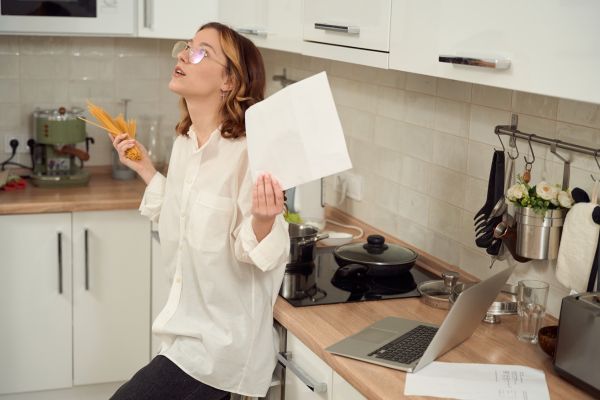
Cooking for beginners can feel strangely intimidating, even when the recipe looks simple. You open a cupboard, stare at a few ingredients, and suddenly every small decision seems bigger than it should. How much salt is enough? Is the pan too hot? What does “golden brown” really mean? These questions are normal. Nobody starts out knowing how to move around a kitchen with confidence.
The good news is that cooking is not some mysterious talent that only certain people have. It is a practical skill, and like any practical skill, it becomes easier through repetition. You do not need expensive tools, complicated recipes, or perfect technique to begin. You only need a little patience, a few basic habits, and the willingness to make food that may not look perfect the first time.
Start With Simple Meals You Actually Like
One of the biggest mistakes new cooks make is starting with recipes that look impressive but feel overwhelming. A long ingredient list can make cooking feel like a test instead of something useful and enjoyable. It is better to begin with food you already enjoy eating and can realistically make on an ordinary day.
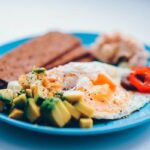
Simple meals such as scrambled eggs, pasta with sauce, rice with vegetables, chicken wraps, lentil soup, grilled sandwiches, roasted potatoes, or basic stir-fry dishes are great starting points. These meals teach you useful kitchen skills without demanding too much at once. You learn how heat works, how flavors change, and how timing affects texture.
Cooking becomes easier when it feels connected to your real life. If you like breakfast foods, start there. If you prefer rice-based meals, learn one reliable rice recipe. If you enjoy soups, begin with a basic vegetable or chicken soup. Confidence grows faster when the final plate is something you genuinely want to eat.
Learn Your Kitchen Before Learning Fancy Techniques
Before diving into complicated cooking methods, spend some time understanding your kitchen. Notice which burner heats fastest, which pan tends to stick, and where your most-used ingredients are stored. This sounds simple, but it makes a real difference.
A beginner-friendly kitchen does not have to be large or stylish. It should just be easy to use. Keep salt, oil, spices, cutting board, knife, and cooking spoons within reach. Place everyday pans where you can grab them quickly. When your kitchen feels less chaotic, cooking feels less stressful.
It also helps to clean as you go. This does not mean washing every dish immediately, but small habits matter. Put away ingredients after using them. Wipe spills before they dry. Keep a bowl nearby for peels or scraps. A calmer counter makes it easier to focus on the food instead of feeling buried under the mess.
Build Confidence With Basic Knife Skills
You do not need chef-level knife skills to cook well, but learning a few basics will make cooking faster and safer. A sharp knife is usually safer than a dull one because it cuts more cleanly and requires less pressure. Start by learning how to slice onions, chop tomatoes, cut potatoes into even pieces, and mince garlic.
Even cuts help food cook evenly. If some potato pieces are tiny and others are huge, the small ones may burn before the large ones soften. That is why simple chopping practice is more useful than it seems. It quietly improves almost everything you cook.
Take your time at first. Hold the food steady, keep your fingers tucked slightly back, and do not rush. Speed comes later. In the beginning, control matters more.
Understand Heat Instead of Guessing
Heat is one of the main reasons beginner meals go wrong. Food burns, sticks, dries out, or stays undercooked because the pan is too hot, too cold, or constantly changing temperature. Once you understand heat a little better, recipes start making more sense.
Low heat is good for gentle cooking, like softening onions, melting butter, warming sauces, or cooking eggs slowly. Medium heat works for many everyday tasks, such as sautéing vegetables or cooking pancakes. High heat is useful for quick searing, stir-frying, or boiling water, but it can also burn food quickly if you are not paying attention.
A simple rule is to let the pan heat before adding food, but not so long that oil smokes heavily. If food is browning too fast, lower the heat. If nothing is happening after several minutes, raise it a little. Cooking is full of these small adjustments. You are allowed to respond to what you see.
Seasoning Makes Food Feel Complete
Salt is not just there to make food salty. It brings out flavor. Many beginner dishes taste flat simply because they are under-seasoned. Start with a little salt, taste if possible, and adjust slowly. It is much easier to add more than to fix too much.
Other basic seasonings can also make simple meals more interesting. Black pepper, garlic, paprika, cumin, chili flakes, oregano, turmeric, ginger, and lemon juice can change the whole mood of a dish. You do not need a huge spice rack. A few familiar flavors are enough.
Tasting while cooking is one of the best habits you can build. Taste the soup before serving. Taste the sauce before mixing it with pasta. Taste the vegetables after seasoning. Over time, your tongue becomes a better guide than the recipe.
Follow Recipes, But Do Not Fear Small Changes
Recipes are helpful, especially in the beginning, but they are not always perfect for your kitchen, your ingredients, or your taste. Your stove may run hotter. Your tomatoes may be less sweet. Your chicken pieces may be larger. A recipe gives direction, but your eyes and nose still matter.
Read the full recipe before you start. This helps you avoid surprises halfway through. Gather your ingredients, prepare what you can, and then begin cooking. If a recipe says to cook onions for five minutes but they still look raw, give them more time. If a sauce seems too thick, add a splash of water. If it tastes dull, add salt, lemon, herbs, or a little spice.
Cooking for Beginners is really about learning how to notice things. The more you observe, the less dependent you become on exact instructions.
Keep a Few Reliable Ingredients at Home
A well-stocked kitchen makes cooking easier because you can make something decent without starting from zero every time. Keep simple staples around, such as rice, pasta, eggs, flour, lentils, beans, canned tomatoes, onions, potatoes, garlic, oil, salt, and a few spices.
Fresh ingredients are wonderful, but they do not have to be fancy. Carrots, tomatoes, spinach, cucumbers, bell peppers, cabbage, and herbs can stretch simple meals. Frozen vegetables are also useful because they last longer and cook quickly.
When you have basic ingredients ready, you are less likely to give up and order food just because you cannot think of what to make. Even a simple omelet, rice bowl, or vegetable pasta can feel satisfying when it is warm and made by your own hands.
Accept That Mistakes Are Part of Learning
Every cook has burned something, over-salted something, undercooked something, or followed a recipe that turned out disappointing. Mistakes are not proof that you cannot cook. They are part of how you learn.
If rice comes out mushy, you learn to reduce water or cook it for less time. If chicken turns dry, you learn not to overcook it. If vegetables taste bland, you learn to season earlier or add acid at the end. Each small failure teaches something useful, even if dinner is not perfect.
The goal is not to become flawless. The goal is to become comfortable enough to keep going.
Make Cooking a Habit, Not a Performance
Cooking becomes easier when it becomes ordinary. You do not have to cook a beautiful meal every night. Some days, cooking may mean boiling eggs, making toast, heating soup, or tossing leftovers into a pan. That still counts.
Try cooking one or two simple meals each week until they feel familiar. Then add another. Repetition builds muscle memory. Soon you will know when onions are ready by smell, when pasta needs draining by texture, and when a pan is too hot by sound.
There is a quiet satisfaction in this. You start with uncertainty, and little by little, the kitchen becomes less foreign. You learn what you like. You learn what works. You begin to trust yourself.
Conclusion
Cooking for beginners is not about mastering everything at once. It is about taking small, steady steps until the process feels less intimidating and more natural. Start with meals you enjoy, learn how your kitchen works, practice basic skills, and give yourself room to make mistakes. Over time, cooking becomes more than a daily task. It becomes a way to care for yourself, understand food better, and bring a little comfort into ordinary days.