
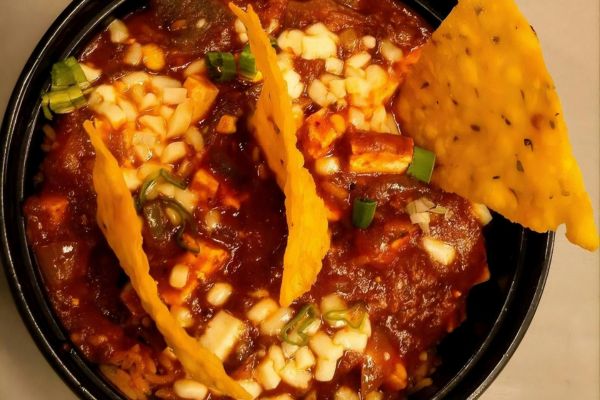
There’s something quietly magical about a bowl of salsa. It looks simple—just chopped vegetables, herbs, maybe a splash of lime—but the flavor tells a deeper story. Across kitchens in Mexico, salsa isn’t just a side dish; it’s a daily ritual, a companion to nearly every meal, and often the heart of the table.
Mexican salsa recipes have evolved through generations, shaped by local ingredients, climate, and family traditions. Some are fiery and bold, others bright and tangy, and a few lean toward smoky or even slightly sweet. What they all share is a sense of balance and freshness that turns even the simplest dish into something memorable.
The Cultural Essence Behind Mexican Salsa Recipes
To understand Mexican salsa recipes, it helps to see them not as fixed formulas but as flexible expressions. In many homes, salsa is made fresh daily, adjusted by taste rather than strict measurement. A handful of chilies might be swapped depending on what’s available. Tomatoes may be roasted or left raw. Even the texture—chunky or smooth—varies from one household to another.
Salsa often bridges the gap between ingredients and appetite. It brings moisture to dry dishes, brightness to rich foods, and heat to otherwise mild meals. Whether served with tacos, grilled meats, or simple tortillas, it plays a central role without ever demanding attention.
Fresh Tomato Salsa That Feels Like Summer
The most recognizable of all Mexican salsa recipes is the fresh tomato salsa, often known as pico de gallo. It’s vibrant, uncooked, and full of texture. Diced tomatoes, onions, green chilies, cilantro, and lime juice come together in a way that feels almost effortless.
What makes this salsa stand out is its immediacy. There’s no cooking, no waiting. The flavors remain distinct yet harmonious, offering bursts of acidity, heat, and herbal freshness in every bite. It pairs beautifully with grilled foods or as a topping for eggs, where its brightness cuts through richness.
Even a slight variation—like adding a bit more lime or letting it rest for ten minutes—can shift its character. That’s part of its charm.
Roasted Salsa That Builds Depth and Warmth
If fresh salsa feels like sunlight, roasted salsa leans into something deeper and more comforting. Tomatoes, chilies, garlic, and sometimes onions are charred until their skins blister and their natural sugars intensify.
Blending these roasted ingredients creates a sauce that’s smoky, slightly sweet, and rich without being heavy. The char adds complexity, while the softened vegetables blend into a smooth, cohesive texture.
This type of salsa works especially well with grilled meats or hearty dishes. It clings to food in a way that fresh salsa doesn’t, coating each bite with layers of flavor. It’s the kind of salsa that feels like it belongs to evening meals, when the pace slows down and flavors deepen.
Salsa Verde and Its Bright, Tangy Personality
Salsa verde offers a completely different experience. Made primarily with tomatillos rather than tomatoes, it carries a naturally tangy, almost citrus-like brightness. The flavor is sharper, more lively, and often slightly grassy thanks to fresh herbs.
Tomatillos can be used raw or lightly cooked, depending on the desired intensity. When blended with green chilies, garlic, and cilantro, they create a sauce that feels refreshing and bold at the same time.
This salsa is often paired with lighter dishes—grilled chicken, fish, or even simple rice—but it can also cut through richer foods with ease. Its acidity acts almost like a palate cleanser, keeping each bite interesting.
Smoky Chipotle Salsa for a Bold Kick
For those who enjoy a deeper, more intense flavor, chipotle salsa delivers. Made from smoked and dried jalapeños, chipotle peppers bring both heat and a distinct smokiness that lingers.
Unlike lighter salsas, this one tends to be richer and more concentrated. It often includes roasted tomatoes, garlic, and sometimes a hint of sweetness to balance the heat. The result is a sauce that feels robust and satisfying.
Chipotle salsa pairs particularly well with grilled meats, roasted vegetables, or even as a spread. A little goes a long way, but that’s part of its appeal—it doesn’t need much to make an impression.
Fruit-Based Salsas That Add a Sweet Twist
Not all Mexican salsa recipes revolve around heat and acidity. Some explore sweetness, using fruits like mango or pineapple to create a softer, more playful flavor profile.
These salsas still include traditional elements—chilies, lime juice, herbs—but the fruit adds a natural sweetness that balances the spice. The result is something vibrant and refreshing, often with a hint of tropical brightness.
Fruit-based salsas are especially popular with grilled fish or chicken. They bring contrast, turning a savory dish into something more layered and dynamic. There’s a sense of surprise in each bite, as sweetness and heat meet in unexpected ways.
Texture and Technique in Mexican Salsa Recipes
Beyond ingredients, texture plays a crucial role in defining Mexican salsa recipes. Some are finely blended into smooth sauces, while others remain chunky and rustic. The choice often depends on how the salsa will be used.
Traditional tools like a molcajete—a stone mortar and pestle—are still used in many kitchens. Grinding ingredients by hand creates a slightly coarse texture that feels more connected to the ingredients. It’s not perfectly smooth, but that imperfection carries character.
Blenders, of course, offer convenience and consistency. They produce a silkier finish, ideal for sauces meant to coat or drizzle. Neither method is better than the other; they simply lead to different experiences.
Balancing Heat, Acid, and Freshness
One of the defining traits of Mexican salsa recipes is balance. Heat from chilies, acidity from lime or tomatillos, and freshness from herbs all need to work together. Too much of one element can overpower the others.
This balance isn’t always achieved through strict measurements. Often, it’s about tasting and adjusting. A squeeze of lime can brighten a heavy salsa. A pinch of salt can bring out hidden flavors. Even letting the salsa rest for a short time can allow the ingredients to settle into harmony.
There’s an intuitive quality to it, something that develops with practice rather than precision.
Salsa as a Daily Companion
In many households, salsa isn’t reserved for special occasions. It’s made and consumed daily, often in small batches that reflect the mood of the moment. One day it might be fiery and bold, the next mild and refreshing.
This everyday presence gives salsa a unique role. It’s not just an addition to meals; it’s a constant, a familiar taste that ties everything together. Even the simplest dish—just tortillas and beans—can feel complete with the right salsa.
Bringing Mexican Salsa Recipes Into Your Kitchen
Adapting Mexican salsa recipes at home doesn’t require strict adherence to tradition. In fact, part of their beauty lies in their flexibility. Ingredients can be adjusted based on availability, personal taste, or even curiosity.
Fresh herbs can be swapped, chilies adjusted, and textures experimented with. What matters most is maintaining the core idea: balance, freshness, and a willingness to let the ingredients speak.
Over time, these small adjustments turn into personal versions of classic recipes. That’s how salsa evolves—not just across regions, but within individual kitchens.
A Closing Reflection on Flavor and Simplicity
Mexican salsa recipes remind us that great food doesn’t always come from complexity. Sometimes, it’s about taking a few simple ingredients and allowing them to shine. There’s a quiet confidence in that approach, a sense that flavor doesn’t need to be forced.
Whether it’s the bright crunch of fresh tomato salsa, the smoky depth of roasted blends, or the surprising sweetness of fruit-based variations, each version offers something distinct. Yet they all share a common thread: a commitment to balance, freshness, and the joy of eating.
In the end, salsa isn’t just a recipe—it’s an experience. One that continues to evolve, adapt, and bring people together, one spoonful at a time.