
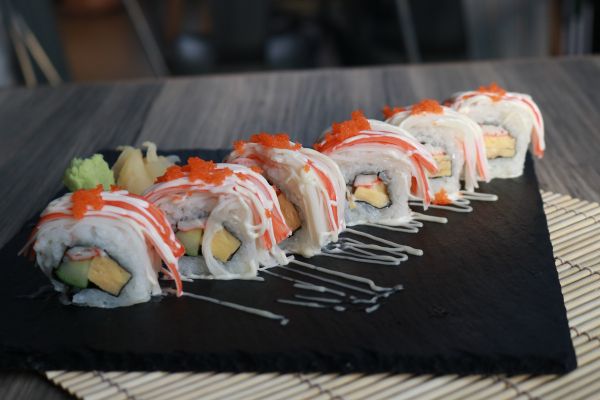
There’s something quietly satisfying about making sushi at home. Maybe it’s the rhythm of washing rice until the water runs clear, or the moment you finally get a neat roll without everything spilling out the sides. Japanese sushi recipes carry a sense of balance—flavor, texture, and presentation all working together in a way that feels both simple and refined.
If you’ve ever assumed sushi belongs only in restaurants, you’re not alone. But once you understand the basics, it becomes surprisingly approachable. With a few ingredients and a bit of patience, you can recreate some of the most beloved Japanese sushi recipes right in your kitchen.
Understanding the Foundations of Sushi
At its core, sushi is less about raw fish and more about seasoned rice. The word itself refers to vinegared rice, not the toppings. This is where many beginners get confused.
The rice is gently flavored with a mixture of rice vinegar, sugar, and salt. It should taste slightly tangy, subtly sweet, and never overpowering. Getting this balance right is what makes or breaks your sushi. The toppings and fillings, while important, are secondary to this foundation.
Short-grain Japanese rice is ideal because of its sticky texture. Long-grain varieties simply won’t hold together the same way, and you’ll find yourself fighting every roll.
Preparing Sushi Rice at Home
Making sushi rice isn’t complicated, but it does require attention. Rinse the rice thoroughly, almost meditatively, until the water runs clear. This removes excess starch and prevents a gummy texture.
Once cooked, the rice is transferred to a wide bowl and gently folded with the vinegar mixture. The key is to avoid smashing the grains. You’re not stirring—you’re folding, almost like handling something fragile.
Let it cool to room temperature. Sushi rice should never be hot when you start assembling your rolls. That slight warmth or coolness helps everything come together naturally.
Simple Maki Rolls for Beginners
Maki rolls are where most home cooks begin, and for good reason. They’re structured, forgiving, and easy to customize.
Lay a sheet of nori on a bamboo mat, spread a thin layer of sushi rice across it, and add your filling in a neat line. Cucumber, avocado, and cooked shrimp are all great starting points. Then comes the roll—firm but gentle pressure is key.
The first few attempts might look a little uneven. That’s perfectly fine. Even imperfect rolls taste just as good.
California Rolls with a Homemade Touch
The California roll is often seen as a Western adaptation, but it has become a staple in many Japanese sushi recipes served worldwide.
Instead of placing rice inside the nori, you flip the structure. Rice goes on the outside, sometimes coated with sesame seeds. Inside, you’ll typically find crab (or imitation crab), avocado, and cucumber.
This inside-out roll, known as uramaki, can feel tricky at first. The rice tends to stick to everything, including your hands. A small bowl of water nearby helps prevent that, making the process smoother.
Nigiri Sushi for a Classic Experience
Nigiri is perhaps the most elegant form of sushi. It’s just a small mound of rice topped with a slice of fish or other ingredients.
Shaping the rice by hand takes a bit of practice. You want it firm enough to hold together but soft enough to melt in your mouth. Press too hard, and it becomes dense. Too light, and it falls apart.
Salmon and tuna are common choices, but cooked options like shrimp or even egg (tamago) work beautifully for beginners. A tiny dab of wasabi between the rice and topping adds a subtle kick, though it’s entirely optional.
Vegetarian Sushi That Feels Anything but Basic
Not all Japanese sushi recipes rely on seafood. In fact, vegetarian sushi can be incredibly vibrant and satisfying.
Avocado brings creaminess, cucumber adds crunch, and carrots provide a gentle sweetness. You can also experiment with roasted sweet potato or marinated tofu for something more substantial.
The beauty of vegetarian sushi lies in its color and texture. Each bite feels fresh, layered, and unexpectedly rich without being heavy.
Temaki Hand Rolls for a Relaxed Approach
If rolling sushi feels intimidating, temaki might be your perfect entry point. These hand rolls are shaped like cones and don’t require precision.
You simply take a sheet of nori, add rice and fillings, and fold it into a cone shape. That’s it. No bamboo mat, no slicing—just a quick, satisfying assembly.
Temaki is also great for sharing. Everyone can build their own, choosing ingredients as they go. It turns the process into something social rather than technical.
Choosing Ingredients That Make a Difference
When making sushi at home, ingredient quality matters, but it doesn’t have to be intimidating. Fresh vegetables, properly cooked rice, and well-handled seafood go a long way.
If you’re using raw fish, sourcing it from a trusted supplier is important. However, many Japanese sushi recipes can be made entirely with cooked or vegetarian ingredients, making them more accessible.
Soy sauce, pickled ginger, and wasabi are traditional accompaniments, but they should complement rather than overpower the sushi itself.
The Subtle Art of Presentation
Sushi isn’t just about taste. Presentation plays a quiet but important role. Clean cuts, balanced spacing, and simple plating elevate the experience.
You don’t need elaborate tools. A plain plate, a few neatly arranged pieces, and perhaps a small dish of soy sauce are enough. The goal is to let the sushi speak for itself.
Even at home, taking a moment to arrange your rolls thoughtfully adds a sense of care to the meal.
Finding Your Rhythm in Sushi Making
At first, making sushi might feel slow and slightly awkward. The rice sticks, the rolls aren’t perfect, and everything takes longer than expected. That’s part of the process.
Over time, your hands learn the movements. You stop overthinking each step. Rolling becomes smoother, shaping more natural. What once felt complicated turns into something almost calming.
Japanese sushi recipes aren’t about perfection. They’re about balance, patience, and a willingness to learn through doing.
Conclusion
Making sushi at home is less about replicating restaurant perfection and more about discovering a new way to cook. It invites you to slow down, pay attention, and enjoy the process as much as the result.
From simple maki rolls to elegant nigiri and relaxed hand rolls, Japanese sushi recipes offer something for every skill level. You don’t need specialized training or expensive tools—just a bit of curiosity and a willingness to try.
And once you start, you might find that sushi becomes more than just a meal. It becomes a small ritual, one that’s as enjoyable to prepare as it is to eat.