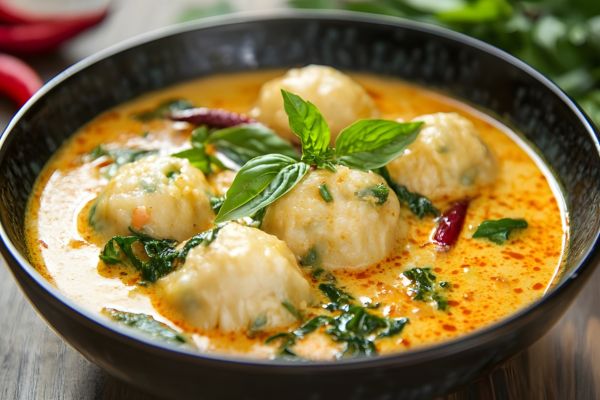
Few dishes capture the balance of bold flavor quite like Thai curry. Rich coconut milk, fragrant herbs, warming spices, fresh aromatics, and a careful contrast of sweet, salty, sour, and heat come together in a way that feels both comforting and exciting. That balance is what makes Thai curry recipes so loved around the world.
Whether served over steamed jasmine rice on a rainy evening or shared at a busy family table, Thai curry offers something deeply satisfying. It can be fiery or mellow, packed with vegetables or centered around seafood, chicken, or tofu. It can be quick enough for a weekday dinner or layered enough to become a weekend cooking ritual.
The beauty of Thai curry lies in its flexibility. Once you understand the building blocks, the possibilities open quickly.
What Makes Thai Curry Different
Thai curry stands apart from many other curry traditions because it leans heavily on fresh ingredients and aromatic curry pastes rather than dry spice blends alone. Garlic, shallots, lemongrass, galangal, kaffir lime leaf, chilies, coriander root, and shrimp paste often form the backbone of traditional pastes.
Coconut milk is another signature ingredient in many Thai curry recipes. It softens the heat, adds richness, and carries flavor beautifully. Fish sauce provides salt and depth, palm sugar adds subtle sweetness, and lime brightens the finish.
The result is layered food that feels vibrant rather than heavy.
Understanding the Main Types of Thai Curry
Thai cuisine includes several famous curry styles, each with its own personality.
Green curry is known for its fresh heat and herbal brightness. Green chilies, basil, and lime notes often define it.
Red curry tends to be richer and slightly deeper in flavor, using dried red chilies and warm aromatics.
Yellow curry is softer and more mellow, often touched by turmeric and warming spice notes.
Massaman curry is gentle, rich, and influenced by Persian and Indian flavors, often featuring cinnamon, cardamom, peanuts, and potatoes.
Panang curry is thicker and slightly sweeter, with a concentrated peanut-like richness and fragrant finish.
Each version has loyal fans, and honestly, it is easy to understand why.
Essential Ingredients for Authentic Flavor
Many home cooks assume Thai curry requires an endless shopping list. In truth, a few quality staples go a long way.
Good curry paste matters. Homemade is wonderful if time allows, but a well-made store-bought paste can still create a deeply satisfying meal.
Full-fat coconut milk gives the best texture and body. Thin versions often lack that velvety finish.
Fish sauce is crucial in many traditional dishes. It adds savory complexity rather than a fishy taste when balanced properly.
Palm sugar or brown sugar helps round sharp edges.
Fresh lime juice wakes everything up at the end.
Thai basil, cilantro, fresh chilies, and kaffir lime leaf can elevate a simple curry into something memorable.
Classic Green Curry With Chicken
Green curry is often the first love story in the world of Thai curry recipes. It arrives fragrant, creamy, and alive with herbs.
Start by gently frying green curry paste in a spoonful of thick coconut cream until aromatic. This helps release the oils and deepen the flavor. Add sliced chicken and stir until lightly coated. Pour in the remaining coconut milk and simmer gently.
Eggplant, bamboo shoots, or green beans work beautifully here. Finish with fish sauce, a touch of sugar, and handfuls of Thai basil.
Serve it hot with jasmine rice. The sauce alone can steal attention.
Red Curry With Vegetables
Red curry offers warmth and richness without always being intensely hot. It is ideal for vegetable-focused meals.
Use red curry paste as the flavor base, then simmer with coconut milk until smooth and fragrant. Add bell peppers, zucchini, mushrooms, carrots, or whatever vegetables are in season.
Let the vegetables stay slightly tender rather than overly soft. That contrast in texture makes a difference.
Finish with lime juice and fresh herbs. This version feels generous, colorful, and deeply comforting.
Yellow Curry With Potatoes and Chicken
Yellow curry often appeals to those who prefer milder spice and fuller body. It is cozy food in the best sense.
Cook yellow curry paste briefly in coconut cream, then add chicken pieces, potatoes, onions, and enough coconut milk to simmer gently. As the potatoes soften, they absorb flavor and naturally thicken the sauce.
A touch of sugar and fish sauce balances everything. The final bowl is mellow, golden, and satisfying without trying too hard.
It is one of those meals that tastes even better the next day.
Massaman Curry for Rich, Slow Flavor
Massaman curry moves at a slower pace. It rewards patience.
This style often includes beef or chicken, potatoes, onions, and roasted peanuts. The sauce blends coconut milk with spices like cinnamon, clove, cumin, and cardamom.
Simmer until the meat becomes tender and the flavors deepen into something rounded and luxurious. It feels warm, layered, and generous.
Among Thai curry recipes, Massaman often wins over people who think they do not like curry at all.
Panang Curry for Thick, Bold Sauce
Panang curry is intense in the best way. The sauce is usually thicker than other Thai curries, clinging beautifully to meat or tofu.
Panang paste cooked with coconut milk forms a rich base, often enhanced by kaffir lime leaf and a slight sweetness. Beef, chicken, or tofu all work well.
Because the sauce is concentrated, it pairs especially well with plain rice and simple vegetables on the side.
Sometimes a smaller bowl of something bold is more satisfying than a larger bowl of something forgettable.
How to Balance Flavor Like a Thai Cook
The magic of Thai cooking often comes from adjustment rather than rigid measurement.
Too salty? Add a little sugar or coconut milk.
Too sweet? Add lime.
Too rich? Add fresh herbs or citrus.
Too mild? Add chili.
That balance between salty, sweet, sour, creamy, and heat is where Thai curry recipes truly come alive.
Taste as you cook. Then taste again.
Tips for Better Homemade Thai Curry
Do not boil coconut milk aggressively. Gentle simmering preserves texture and prevents splitting.
Cook the paste first. Raw curry paste can taste flat if rushed.
Use fresh garnish at the end. Herbs added late keep their brightness.
Choose ingredients with intention. A few fresh vegetables often taste better than an overloaded pan.
Let leftovers rest. Many curries become even more flavorful overnight.
Vegetarian and Vegan Thai Curry Options
Thai curry adapts beautifully to plant-based cooking.
Replace fish sauce with soy sauce, tamari, or vegan fish sauce alternatives. Use tofu, chickpeas, mushrooms, pumpkin, sweet potato, or eggplant for substance.
Coconut milk already provides richness, so plant-based versions rarely feel like a compromise.
Some of the most memorable curries are built entirely around vegetables.
Serving Thai Curry at Home
Jasmine rice is the classic companion, soaking up sauce without distraction. Brown rice works too if you prefer a nuttier base.
Cucumber salad, fresh herbs, or lightly steamed greens can balance the richness. A wedge of lime on the side never hurts.
Keep the table relaxed. Thai curry invites sharing, second servings, and slow conversation.
Conclusion
Thai curry recipes endure because they offer more than heat or richness alone. They deliver balance, aroma, color, and comfort in every spoonful. From bright green curry to slow-simmered Massaman, each style tells a different story while honoring the same core principle: flavor should feel alive.
Once you begin cooking Thai curry at home, it becomes less about strict rules and more about instinct. Taste, adjust, trust your senses, and enjoy the process. That is often where the best meals begin.