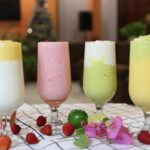
You do not need a ripe banana, fresh berries, or a grocery trip to make a good smoothie. A bag of frozen fruit and a few kitchen staples are enough. Frozen fruit chills the drink and gives it body without needing handfuls of ice. This frozen fruit smoothie recipe is designed for mornings, when you want something thick, drinkable, and reliable.
The main trick is starting with less liquid than you think you need. Once the blender gets moving, you can add small splashes until the texture is right.
What You Need
For one generous smoothie or two smaller glasses, use 2 cups of frozen fruit (approximately 280–320 g, depending on the mix) and 3/4 cup (180 ml) milk, unsweetened plant milk, or water. For extra creaminess, add 1/2 cup (120 g) plain yogurt. Honey, maple syrup, or sugar is optional; add a teaspoon only if the finished blend tastes tart.
If you are including yogurt, start with 1/2 cup (120 ml) of the liquid and hold the rest back. Without yogurt, start with the full 3/4 cup. These are starting points rather than strict rules: your fruit mix and blender may need more liquid.
Frozen mixed berries create a tangy smoothie, mango gives a naturally creamy result, and peaches offer a mellow flavor. Mix bags if that is what your freezer holds. Shelf-stable milk works as well as refrigerated milk, so fresh fruit is not required.
How to Make a Smoothie With Frozen Fruit
Start with the liquid
Pour your starting amount of milk or water into the blender jar. Add yogurt, if using, then any powdered ingredients. Liquid around the blades helps the blender establish movement instead of struggling against a solid mass of fruit.
Add the frozen fruit
Tip in 2 cups of frozen fruit, secure the lid, and pulse a few times if your blender has that setting. Blend on low before increasing the speed. If the mixture stops circulating, turn the machine off and use a spatula to loosen it. Never put utensils into a running blender.
Adjust and taste
Add liquid one or two tablespoons at a time until everything blends smoothly. Stop early for a thick smoothie recipe you could eat with a spoon, or add a little more liquid for easy sipping. Taste before sweetening; frozen fruit can be naturally sweet enough.
Serve immediately for the coldest, thickest texture. If it is too firm to sip, leave the glass for a minute rather than automatically pouring in more milk.
The Best Fruit-to-Liquid Ratio
The most common problem with an easy smoothie recipe is adding too much liquid at once. For 2 cups of frozen fruit, begin with 1/2 cup liquid if you are also adding yogurt. Without yogurt, begin with about 3/4 cup. Increase as needed until your blender works without strain.
Frozen strawberries and mixed berries may stay chunky longer than mango, which often turns into a smoother purée. Small personal blenders sometimes require a little more liquid. You can always thin a smoothie, but thickening an already watery glass means blending in more frozen fruit.
If you want to improvise with different quantities, the smoothie formula guide is a useful reference for balancing fruit, liquid, and creamy ingredients.
Easy Flavor Combinations From the Freezer
Berry and vanilla
Use 2 cups frozen mixed berries, milk, and plain yogurt. Add a few drops of vanilla extract. Berry skins and seeds can leave some texture even after thorough blending; replace half the berries with frozen mango for a smoother and slightly sweeter drink.
Mango and coconut
Blend frozen mango with an unsweetened coconut milk beverage. A spoonful of canned coconut milk adds richness if you happen to have some, but it is not necessary. Mango is often sweet enough that you can skip extra sugar.
Peach and cinnamon
Combine frozen peach slices, milk, optional yogurt, and a small pinch of cinnamon. This is a good choice if you prefer a gentler flavor. If the peaches are very hard, let them soften briefly before blending, following your blender’s instructions.
How to Fix Common Texture Problems
The blender will not move the fruit
Stop the machine and add 1–2 tablespoons of liquid. Loosen the contents with the machine switched off, then restart slowly. Never force a stalled motor; some blenders are not designed for large, hard frozen pieces.
The smoothie is too thin
Blend in a small handful of frozen fruit. Avoid adding lots of ice just to thicken it: the ice can dilute the fruit flavor as it melts. Next time, reserve some of the measured liquid until you actually need it.
The taste is too sharp or bland
Frozen fruit varies in sweetness. Add a little vanilla or blend in a sweeter fruit such as mango. If necessary, stir in a teaspoon of honey or syrup and taste again before adding more.
It is thicker than you wanted
Stir in a splash of milk or water. If you like a spoonable result, keep the mixture thick and serve it as a bowl instead. The smoothie bowl toppings guide offers ideas for turning that texture into breakfast.
Preparing Ahead and Storing Leftovers
To speed up busy mornings, divide large bags of frozen fruit into 2-cup portions in freezer-safe containers. Then each blend starts with the same amount of fruit, and measuring the liquid is the only real task.
A smoothie tastes and feels best right after blending. Refrigerate any leftovers promptly in a covered container, and blend or stir again before drinking because separation is normal. For longer storage, freezing leftovers in ice-pop molds works better than expecting a thawed smoothie to hold its original frosty texture.
Frequently Asked Questions
Can I make a frozen fruit smoothie without milk?
Yes. Use water, coconut water, or an unsweetened plant-based drink. Water makes a lighter smoothie that emphasizes the fruit flavor. Begin with the same small amount of liquid and add more gradually.
Should I thaw frozen fruit first?
Usually not if your blender is designed to handle frozen fruit. A smaller machine may work better if especially large pieces soften for a few minutes. Follow the appliance instructions and do not force the motor.
Can I make it without banana or yogurt?
Absolutely. Neither is essential. Frozen mango, peaches, or mixed berries supply plenty of body on their own. Start with approximately 3/4 cup liquid for 2 cups fruit when you are not using yogurt.
How do I keep the smoothie from tasting icy?
Blend until the fruit is fully broken down, avoid unnecessary ice, and choose milk or yogurt when you want extra creaminess. Mango and peaches generally produce a smoother result than fruit mixes with many berry seeds.
A Simple Recipe Worth Repeating
Keep frozen fruit in the freezer, begin with a modest amount of liquid, and let the blender tell you when it needs more. Once you learn that rhythm, you can make a satisfying smoothie with frozen fruit any morning, without planning around the freshness of bananas or berries.