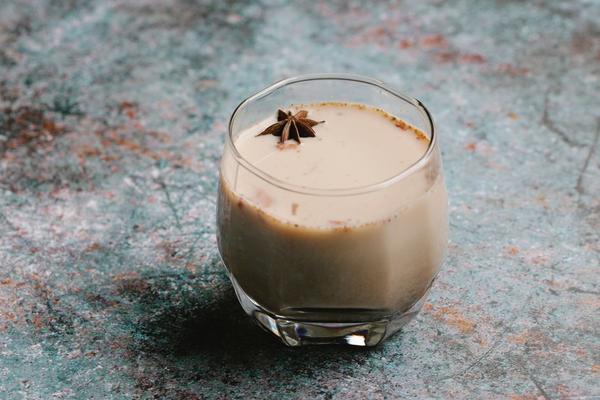
A chai latte should smell like cinnamon, cardamom, and fresh ginger before the first sip. Beneath those warm spices, black tea gives the drink enough depth to stand up to creamy milk. You can make that combination at home without a bottled concentrate or espresso machine. This chai latte recipe uses an easy saucepan method and finishes with a layer of froth.
The secret is brewing a strong spiced tea first. Milk softens the flavor, so ordinary-strength tea can disappear in the finished mug. The quantities below make two modest servings in about 20 minutes.
Ingredients for a Homemade Chai Latte
For the tea concentrate, use 1 1/2 cups water, two black tea bags or two teaspoons loose black tea, one small cinnamon stick, four lightly crushed green cardamom pods, three cloves, four thin slices fresh ginger, and four black peppercorns. Add one small star anise if you enjoy its licorice-like aroma; it is optional.
For finishing, have 1 1/2 cups milk and two to four teaspoons honey, maple syrup, or sugar ready. Whole milk tastes rich, but oat or soy milk works too. These ingredients yield two smaller mugs rather than two oversized café portions.
What Each Spice Contributes
Cinnamon provides gentle sweetness, cardamom a fragrant lift, cloves depth, and ginger a lively edge. Peppercorns brighten the blend without making it taste like pepper. Whole spices are easy to strain out, avoiding much of the grit that ground spices can leave behind.
For more bite, add another ginger slice next time rather than increasing all the spices. Cloves are powerful, and too many can mask the tea. The best homemade chai latte lets every element contribute.
How to Make a Chai Latte
Step 1: Simmer the Spices
Combine water, cinnamon, cardamom, cloves, ginger, peppercorns, and optional star anise in a saucepan. Bring to a gentle simmer, reduce the heat, and cook uncovered for eight minutes. Keep the bubbles small; vigorous boiling wastes water and makes the concentrate harder to measure consistently.
Step 2: Steep the Tea
Remove the pan from the heat. Add the black tea and steep for three to four minutes. Lift out the tea bags or strain the loose tea and spices into a jug. Assam offers a sturdy, malty base, although everyday plain black tea is perfectly suitable. Steeping too long can introduce bitterness.
Step 3: Warm and Froth the Milk
Heat the milk separately until steaming but not boiling. Froth with a handheld frother, or whisk briskly for 30 to 60 seconds. You want a light, smooth foam, not necessarily a towering cap. Different milks produce different amounts of foam, so do not worry if yours looks modest.
Step 4: Sweeten and Pour
Divide the spiced tea concentrate between two mugs. Stir one to two teaspoons of sweetener into each while the tea is hot. Pour in the warm milk, holding back some foam with a spoon. Spoon the foam over the top and, if desired, add a tiny dusting of cinnamon.
Get the Tea-to-Milk Balance Right
This chai tea recipe is adjustable. If the result tastes too milky, reduce the amount of milk or increase the black tea slightly in your next batch. If it seems bitter, steep the tea for less time. More sugar might hide bitterness, but it will not correct the underlying problem.
Try one practical test before frothing: mix a spoonful of concentrate with an equal amount of warm milk. Can you still taste black tea and spices? If not, simmer the whole spices a little longer next time. Do not compensate by steeping the black tea endlessly.
For sweetness, plain sugar stays in the background. Honey adds a floral character; maple syrup brings a subtle caramel note. Add less at first and taste after the milk goes in.
Which Milk Works Best?
Whole dairy milk creates a creamy latte, while lower-fat milk feels lighter. Barista-style oat milk is an especially good match for warm spices. Soy milk can froth nicely, though results vary by brand. Almond milk tends to create a thinner drink.
A thermometer is helpful but not essential: aim for roughly 140–150°F (60–65°C) when warming milk. Overheated milk can taste cooked. If you want to improve the base, a guide to brewing black tea is useful; a homemade hot chocolate recipe offers another cozy drink idea.
Make an Iced Spiced Tea Latte
Use the same spiced tea concentrate, stirring in the sweetener while the liquid is still warm. Cool it, then refrigerate. Fill two glasses with ice, divide the concentrate between them, and top with cold milk. Stir well. There is no need to heat or froth the milk for an iced drink.
Melting ice dilutes flavor, so brew the concentrate a touch stronger if you expect your drink to sit for a while. A little cold milk foam is optional. For more summer variations, explore other refreshing iced tea recipes.
Prepare the Concentrate in Advance
Make a batch the evening before, strain it, cool promptly, and refrigerate in a covered container. Use within three to four days. Store the tea separately from milk, then reheat only what you need. Freshly warmed milk gives a better texture than reheating a fully mixed latte.
Fix Common Chai Latte Problems
Too Weak or Watery
Measure the water carefully, allow the spices their full simmering time, and choose a robust black tea. Simply adding more milk will weaken the drink further.
Too Bitter or Too Spicy
Shorten the black tea steep for bitterness. For excessive spice heat, use less ginger or fewer peppercorns next time. If cloves dominate, reduce them from three to two.
Not Enough Foam
Try milk made for frothing and keep it below boiling temperature. A clean handheld frother usually helps. Remember that foam affects the feel more than the underlying taste.
Frequently Asked Questions
Is a chai latte the same as masala chai?
They are related, but preparation can differ. Masala chai commonly involves simmering tea, spices, milk, and sweetener together. A café-style chai latte often uses concentrated spiced tea combined with separately steamed or frothed milk. This version follows that latte method.
Can I make chai latte without black tea?
Yes. Rooibos makes a pleasant caffeine-free alternative, though its flavor differs from black tea. You can also steep only the spices in water for a tea-free drink.
Does a homemade chai latte contain caffeine?
Usually, because black tea contains caffeine. The amount varies with tea type, quantity, and steeping time. Choose decaffeinated tea or rooibos if you prefer to limit caffeine.
Can I substitute ground spices for whole spices?
Yes, but begin with small pinches. Ground spices release flavor quickly and can leave sediment even after straining. Whole spices generally create a smoother finished drink.
A Cup Worth Repeating
Once you have made this chai latte recipe, adjust it to your taste: more ginger for bite, less sugar for a tea-forward cup, or cold milk and ice for warmer days. Keep the spice simmer gentle, steep the black tea briefly, and let the frothy milk finish the drink without covering its flavor.