Two bags can both say “coffee beans” yet produce different drinks. One might give you a bright, fruity filter coffee; another might make a heavy espresso with a thick layer of crema. The difference often begins with the plant itself. Arabica and robusta are the two major coffee bean types, and understanding their strengths can make buying beans much less of a guessing game.
arabica coffee usually offers more delicate aromas, sweetness and lively acidity, while robusta coffee tends to taste bolder, more bitter and heavier, with substantially more caffeine. But neither label tells you everything about quality. Roast, processing, freshness and brewing method still shape the cup.
Arabica and robusta are different coffee species
Arabica comes from Coffea arabica, a species associated with the highlands of Ethiopia. Robusta is the familiar trade name for coffee from Coffea canephora, whose origins lie in tropical Africa. Both produce seeds that we roast and grind, but their growing habits and chemical composition differ.
Arabica dominates the specialty-coffee market, particularly coffees sold with detailed farm, variety and tasting information. Robusta is common in instant coffee and commercial blends, but it also has a long-standing role in traditional espresso. Better-grown and carefully processed robusta can be enjoyable in its own right, so treating the two species as automatic grades of “good” and “bad” misses the point.
Flavor: sweetness and acidity versus body and bitterness
What arabica tends to taste like
Arabica often has a softer bitterness and a more noticeable range of aromas. Depending on origin and processing, you might find chocolate, nuts, caramel, citrus, berries or floral notes. Its acidity can taste pleasantly crisp rather than sour when the beans are roasted and brewed well.
That makes many arabicas appealing for pour-over coffee or a black morning cup, where subtle flavors have room to show. A darker roast can still taste smoky or bitter, though. Buying arabica does not guarantee a fruity or gentle drink.
What robusta tends to taste like
Robusta commonly brings earthy, woody, cocoa-like or grainy flavors, more bitterness and a weightier mouthfeel. Lower-priced lots can taste rough or rubbery, especially when defects or poor processing are involved. Carefully produced robusta may be cleaner, sweeter and more balanced than that reputation suggests.
If you enjoy a strong, low-acidity impression under milk, robusta’s assertive character can be an advantage. If you prefer a clear, fragrant black coffee, an arabica with tasting notes you enjoy is often an easier starting point.
Which has more caffeine?
Robusta generally contains about twice as much caffeine by dry bean weight as arabica. Typical figures are roughly 1–1.5% for arabica and around 2–2.7% for robusta, although individual varieties and growing conditions vary.
That comparison describes the beans, not a fixed amount in your mug. The caffeine in a serving depends on how much ground coffee you use, how much liquid you drink and how efficiently your brewing method extracts it. A large arabica filter coffee can deliver more total caffeine than a small robusta espresso.
For a lower-caffeine choice between these two species, arabica generally has the edge when the coffee dose and preparation are comparable. Anyone trying to limit caffeine substantially, however, may be better served by decaf rather than assuming arabica is low-caffeine.
Growing conditions, supply and price
Arabica is commonly cultivated in relatively mild, often higher-elevation regions. It can be vulnerable to heat stress and diseases such as coffee leaf rust, although resilience varies greatly among varieties. Its production and harvesting can be demanding, which helps explain why many arabica coffees command higher prices.
Robusta is often grown at lower elevations and can perform in a broader range of environments. Many plants are more resistant to certain pests and diseases, and yields can be high. That does not make robusta immune to weather or climate change: research has shown that excessive heat can also reduce robusta yields.
Conventional robusta is frequently less expensive than comparable arabica, making it useful for affordable blends and instant products. Yet price is not a reliable quality score. An exceptional robusta can cost more than an ordinary arabica, and changes in harvests and global supply can shift their relative prices.
Why espresso blends often use both
Espresso is where the arabica vs robusta coffee choice becomes especially practical. Arabica can contribute aromatic complexity, sweetness and brighter flavor. Robusta can add a deeper, more forceful taste, greater perceived body and, under comparable conditions, more crema—the foam that forms on an espresso shot.
A blend containing 80% arabica and 20% robusta is a reasonable experiment for someone who likes espresso with milk but finds a pure arabica shot a little too delicate. It is not a universal formula. Some drinkers prefer 100% arabica for clarity, while others enjoy a higher robusta proportion for intensity.
Remember that a thick crema is not proof of a delicious espresso. Freshness, roast style, dissolved gases and extraction all influence the foam. Taste the liquid underneath it. For help adjusting a harsh or thin shot, an espresso extraction guide is more useful than judging the crema alone.
Which beans should you buy for your brewing method?
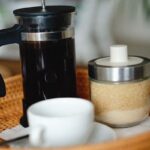
For pour-over or drip coffee, try a medium or lighter-roasted arabica if you want distinct aromas and a clean finish. A coffee grind size guide can help if those flavors are hidden by over- or under-extraction. For a French press, either species can work; choose according to whether you want nuanced sweetness or a heavier, more bitter cup.
Want to compare them fairly? Brew a 100% arabica and a blend with a modest robusta proportion using the same equipment, coffee dose and beverage size. Start with similar roast levels, then adjust the grind separately if needed to get a balanced extraction. Taste them black first, then add your usual milk. Note bitterness, aroma, texture and aftertaste rather than choosing solely by the bigger caffeine number.
Frequently asked questions
Is arabica always better than robusta?
No. Arabica often offers more aromatic complexity, but a well-produced robusta can be excellent, particularly for people who enjoy fuller body and bold espresso. Quality depends on the beans and how they are handled.
Does robusta always make stronger coffee?
Robusta typically has more caffeine per gram and a more bitter, forceful flavor. However, “stronger” can mean caffeine, concentration or taste, and brewing choices can change all three.
Is robusta better for espresso crema?
It often helps produce a thicker, more persistent crema in espresso blends. That visual effect should not be confused with superior flavor; a thinner-crema espresso can taste wonderful.
Can you mix arabica and robusta at home?
Yes. Start with a small amount of robusta in an arabica blend, taste it in your regular brewer and increase the proportion only if you enjoy the extra body and intensity. Keep track of your ratios so you can repeat a blend you like.
The right bean depends on the cup you want
Choose arabica when fragrance, nuanced flavors and a gentler caffeine profile matter most. Consider robusta when you want an assertive espresso, more body or a budget-conscious blend. The smartest approach is to use species as a clue, then judge the actual coffee by freshness, roast, preparation and—above all—taste.