
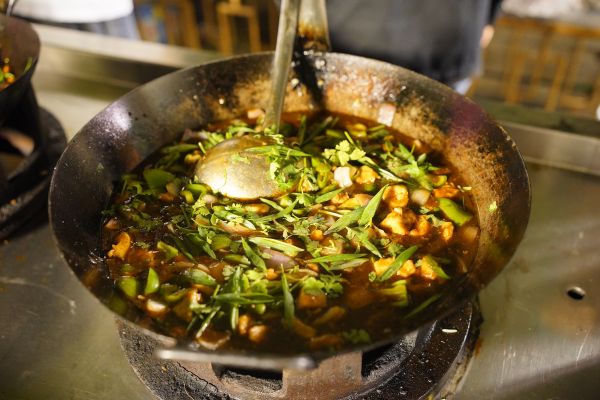
There’s something quietly magical about the moment a hot pan meets a handful of fresh ingredients. A quick sizzle, a burst of aroma, and within minutes, a complete meal comes together. That’s the essence of Chinese stir fry dishes—fast, flavorful, and endlessly adaptable.
For many home cooks, stir frying feels like a restaurant-only technique, something best left to chefs with roaring woks and years of experience. But the truth is, once you understand the rhythm of it, stir frying becomes one of the easiest and most satisfying ways to cook. It’s less about perfection and more about instinct, timing, and a willingness to experiment.
The Heart of Stir Fry Cooking
At its core, stir frying is all about speed and heat. Ingredients are cooked quickly in a small amount of oil over high heat, which helps preserve their color, texture, and natural flavor. Unlike slow cooking methods, stir frying rewards preparation and attention rather than patience.
The beauty of Chinese stir fry dishes lies in their balance. A single pan can hold protein, vegetables, aromatics, and sauce, each playing a distinct role without overpowering the others. Garlic and ginger bring depth, soy sauce adds saltiness, and a touch of sugar or vinegar rounds everything out.
But perhaps the most appealing part is flexibility. You don’t need a strict recipe to make a good stir fry. In fact, some of the best ones happen when you’re simply using what you already have in your kitchen.
Why Stir Fry Fits Modern Kitchens
In a world where time is often limited, stir frying feels almost tailor-made for everyday cooking. Most dishes come together in under 30 minutes, making them ideal for busy evenings or last-minute meals.
There’s also very little waste. Leftover vegetables, small portions of meat, or even yesterday’s rice can be transformed into something completely new. This makes Chinese stir fry dishes not just convenient, but practical in a way that many other cuisines aren’t.
And then there’s the health aspect. Because ingredients are cooked quickly, they retain more nutrients compared to longer cooking methods. You also have full control over oil, salt, and portion sizes, which makes it easier to keep things balanced.
The Essential Ingredients That Make It Work
A well-made stir fry doesn’t require a long shopping list, but a few key ingredients can make a noticeable difference. Soy sauce is the backbone of many dishes, bringing that familiar savory depth. Oyster sauce adds richness, while sesame oil contributes a subtle nuttiness that lingers.
Fresh aromatics like garlic, ginger, and green onions are almost non-negotiable. They form the base of flavor and set the tone for the entire dish. Even a small amount can completely change the character of your stir fry.
Vegetables are where things get interesting. Bell peppers, broccoli, snap peas, and carrots are common choices, but there’s no strict rule. The goal is variety—different colors, textures, and cooking times that create contrast on the plate.
Protein is equally versatile. Chicken, beef, shrimp, tofu—each brings its own texture and flavor profile. Thin slicing is key here, as it ensures everything cooks quickly and evenly.
Mastering the Technique Without Overthinking It
One of the biggest misconceptions about stir frying is that it’s complicated. In reality, the process is quite straightforward once you get the hang of it.
Preparation is where most of the work happens. Ingredients should be chopped, sliced, and ready to go before you even turn on the heat. Stir frying moves quickly, and there’s no time to pause once things start cooking.
The pan—or ideally, a wok—needs to be hot before adding oil. This helps prevent sticking and gives ingredients that slightly charred, smoky flavor often associated with restaurant dishes.
Cooking in stages is another important detail. Protein usually goes in first, followed by vegetables, and finally the sauce. This ensures everything is cooked properly without becoming soggy or overdone.
And then there’s the stirring itself. It’s less about constant motion and more about controlled tossing. Let ingredients sit for a moment to develop color, then move them around. It’s a rhythm you’ll feel more than measure.
Classic Chicken and Vegetable Stir Fry
Few dishes represent Chinese stir fry dishes better than a simple chicken and vegetable combination. It’s approachable, adaptable, and consistently satisfying.
Thin slices of chicken are quickly cooked until just done, then set aside while vegetables take their turn in the pan. Broccoli adds crunch, carrots bring sweetness, and bell peppers contribute a slight tang.
When everything comes together again, a light sauce made from soy sauce, garlic, ginger, and a touch of cornstarch coats each piece evenly. The result is a dish that feels both comforting and fresh, without being heavy.
It’s the kind of meal you can return to again and again, tweaking ingredients based on what you have or what you’re craving.
Beef Stir Fry with Bold Flavors
Beef stir fry tends to lean a little richer, with deeper, more robust flavors. Thinly sliced beef cooks quickly and pairs well with sauces that have a bit more intensity.
A combination of soy sauce, oyster sauce, and black pepper creates a savory base, while onions and scallions add sharpness and aroma. Some versions include a hint of sweetness, balancing the saltiness in a way that feels almost addictive.
The key here is not to overcook the beef. High heat and quick movement keep it tender, while a brief rest allows the flavors to settle. It’s a dish that feels slightly indulgent, yet still quick enough for a weekday meal.
Shrimp Stir Fry for a Lighter Option
Shrimp brings a completely different energy to stir frying. It cooks incredibly fast and has a natural sweetness that pairs well with lighter sauces.
Garlic and ginger remain central, but the overall flavor profile often feels brighter. A splash of rice vinegar or a squeeze of citrus can lift the dish, making it feel almost refreshing.
Vegetables like snow peas, zucchini, or bok choy complement shrimp without overwhelming it. The goal is to keep things light and balanced, letting the natural flavors shine through.
This kind of stir fry is perfect when you want something quick but not too heavy—something that satisfies without slowing you down.
Vegetarian Stir Fry That Doesn’t Feel Like a Compromise
There’s a common assumption that stir fry needs meat to be satisfying, but that couldn’t be further from the truth. A well-made vegetarian stir fry can be just as rich and filling.
Tofu is often the go-to protein, especially when it’s pan-fried until slightly crispy. It absorbs sauces beautifully, acting almost like a blank canvas for flavor.
Mushrooms add depth and a slightly meaty texture, while a mix of vegetables keeps things vibrant. A sauce built on soy, garlic, and a hint of sesame oil ties everything together.
What makes vegetarian Chinese stir fry dishes stand out is their ability to feel complete without relying on heavy ingredients. They’re light, flavorful, and surprisingly comforting.
Common Mistakes That Change the Whole Dish
Even though stir frying is simple, a few small missteps can make a noticeable difference. Overcrowding the pan is one of the most common issues. When there’s too much in the pan, ingredients steam instead of sear, losing that signature texture.
Another mistake is using too much sauce. It might seem like more sauce equals more flavor, but it often leads to soggy vegetables and an unbalanced dish. A little goes a long way.
Temperature also plays a crucial role. If the heat is too low, ingredients cook slowly and lose their freshness. Too high without control, and things can burn quickly. Finding that middle ground takes a bit of practice, but it’s worth it.
Bringing It All Together in Your Own Kitchen
What makes Chinese stir fry dishes truly special is their adaptability. You don’t need to follow a strict recipe or use specific ingredients every time. Instead, you can treat stir frying as a framework—a way of cooking rather than a fixed dish.
Start with what you have. A bit of chicken, some leftover vegetables, a few pantry staples. Build from there, adjusting flavors as you go. Over time, you’ll develop your own sense of balance, your own preferred combinations.
There’s also something deeply satisfying about cooking this way. It’s quick, yes, but it also feels intentional. Every step matters, every ingredient has a role, and the result is something that feels both simple and complete.
A Final Thought on the Joy of Stir Fry
In many ways, stir frying is less about technique and more about experience. It invites you to pay attention—to heat, to timing, to the way flavors come together in a matter of minutes.
Chinese stir fry dishes remind us that good food doesn’t have to be complicated. With a few ingredients and a bit of confidence, you can create meals that are vibrant, balanced, and genuinely enjoyable.
And maybe that’s the real appeal. Not just the speed or convenience, but the sense that cooking can be both easy and deeply rewarding at the same time.