A gluten-free breakfast does not have to mean expensive specialty bread or a complicated recipe before coffee. Eggs, potatoes, fruit, yogurt, and carefully chosen oats can make mornings satisfying without relying on wheat-based staples. The trick is keeping a few dependable combinations ready and knowing which packaged ingredients need an extra label check.
These gluten free breakfast ideas work for hurried weekdays, relaxed weekends, and households where some people eat gluten and others do not. If you are cooking for someone with celiac disease, preventing gluten cross-contact during preparation matters just as much as choosing safe ingredients.
Build Breakfast Around Naturally Gluten-Free Foods
Start with ordinary foods instead of trying to recreate every pastry. Plain eggs, fresh fruit, unseasoned potatoes, vegetables, milk, and plain yogurt are naturally gluten-free. Combine protein, something filling, and produce for a meal that lasts beyond the morning commute.
Packaged foods require attention. Flavored yogurt, breakfast sausage, granola, spice blends, and sauces may contain unexpected ingredients. Read labels when shopping, especially if a familiar product changes its recipe. A wheat-free claim alone does not guarantee a food is gluten-free.
Easy Gluten-Free Breakfasts for Busy Weekdays
Eggs and Crispy Skillet Potatoes
Dice a small potato and cook it in a covered skillet with oil until tender. Remove the lid to brown the edges, add spinach or peppers, and finish with a fried or scrambled egg. Leftover cooked potatoes turn this into an easy gluten free breakfast in under ten minutes. Use plain seasonings or a verified gluten-free blend.
Overnight Gluten-Free Oats
Combine roughly equal parts oats and milk, add yogurt for creaminess, and refrigerate overnight. Top with berries, banana, or nuts. Choose oats specifically labeled gluten-free: ordinary oats can encounter wheat, barley, or rye during processing.
Most people with celiac disease tolerate uncontaminated gluten-free oats, but some react to oats themselves. If you have celiac disease, follow your clinician’s or dietitian’s advice when introducing them.
Yogurt, Fruit, and Crunch
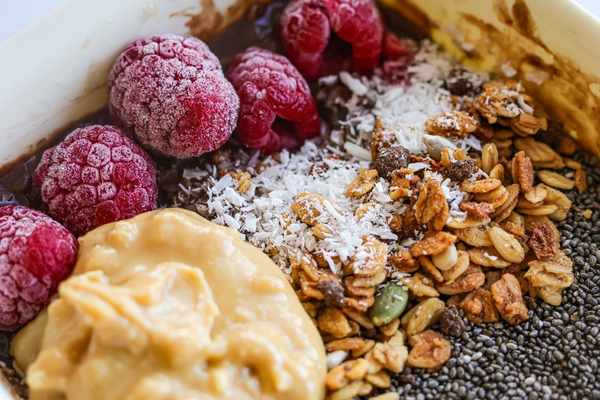
Spoon plain Greek yogurt into a bowl, add sliced fruit, and finish with nuts, seeds, or labeled gluten-free granola. This two-minute combination offers protein and varied textures. For a dairy-free version, select a suitable plant-based yogurt and check its label.
Breakfast Corn Tortillas
Warm gluten-free-labeled corn tortillas in a clean skillet, then fill with scrambled eggs, avocado, and tomato. Add salsa after checking its ingredients. Avoid warming the tortillas on a surface that has just held wheat-flour tortillas.
Make-Ahead Gluten Free Breakfast Recipes
Vegetable Egg Muffins
Whisk eggs with chopped spinach, peppers, and a little cheese. Divide among greased muffin cups and bake at 350°F until set, typically 18–22 minutes. Refrigerate promptly for up to three or four days and reheat thoroughly. Two muffins with fruit make a practical grab-and-go meal.
Sheet-Pan Potato and Pepper Hash
Toss diced potatoes, onion, and bell peppers with olive oil and simple seasonings. Roast on a clean tray at 425°F, turning once, until browned and tender, usually 25–35 minutes. Serve with eggs or beans. A large Sunday batch makes weekday breakfasts faster.
Banana Pancakes Without Wheat Flour
Mash a ripe banana with two eggs and stir in a few tablespoons of labeled gluten-free oat flour, or another suitable gluten-free flour, for structure. Cook small pancakes over medium-low heat. They are delicate, so let the first side set before turning. Serve with yogurt and berries.
For more convenient combinations, explore make-ahead breakfast recipes using a short list of ingredients you already buy.
Chia Pudding for No-Cook Mornings
Mix three tablespoons of chia seeds with about three-quarters of a cup of milk. Stir again after several minutes to prevent clumping, then refrigerate for several hours or overnight. Top with mango or berries. Check flavored milks and toppings when preparing a strictly gluten-free meal.
Use a Five-Day Breakfast Rotation
Repetition helps when every morning begins with the same question. Wash fruit, prepare a tray of potatoes, and portion yogurt at the start of the week. Have eggs and potatoes Monday, overnight oats Tuesday, yogurt bowls Wednesday, corn-tortilla tacos Thursday, and reheated egg muffins Friday.
These meals share ingredients without tasting identical. Keep a backup of fruit, nut butter, and verified gluten-free crackers for mornings when cooking is impossible. Simple breakfast meal prep ideas can also help reduce last-minute decisions.
Make Your Breakfast Celiac Friendly
An otherwise gluten-free meal can be unsuitable for someone with celiac disease if crumbs or shared equipment introduce gluten. Clean preparation surfaces before starting, and use thoroughly washed utensils, cutting boards, and pans.
Use a separate toaster for gluten-free bread, or toast it in a clean skillet. Keep dedicated butter, jam, and peanut butter containers if others regularly dip bread-covered knives into shared jars. Store gluten-free ingredients away from loose flour and crumbs.
Be especially careful with restaurant hash browns and fried potatoes. Potatoes are naturally gluten-free, but coatings, seasonings, shared fryers, and griddles can introduce gluten. Ask how the food is prepared, not simply whether it contains bread.
In the United States, food labeled gluten-free must meet FDA rules, including a limit of less than 20 parts per million of gluten from unavoidable presence. That label does not protect a meal from cross-contact in your kitchen. A gluten-free pantry checklist can make shopping and storage more consistent.
Plan a Relaxed Gluten-Free Brunch
A gluten free brunch can center on a vegetable frittata, roasted potatoes, fresh melon, and yogurt. Set out fruit, nuts, and labeled gluten-free granola for customizable bowls. If you offer regular toast, keep it on another platter with dedicated utensils, away from gluten-free dishes.
For a mixed-diet family, serve the naturally gluten-free dishes first, before anyone handles wheat-based bread. This tiny change reduces crumb-related mistakes and lets everyone share most of the menu.
Frequently Asked Questions
What can I eat for breakfast without gluten?
Try eggs, fruit, plain yogurt, potatoes, chia pudding, corn tortillas, or labeled gluten-free oats. Pair protein with produce and a filling starch or seed, while checking packaged seasonings and toppings.
Are oats safe for people with celiac disease?
Choose only oats specifically labeled gluten-free, because regular oats are often exposed to gluten-containing grains. Most people with celiac disease can tolerate pure gluten-free oats, but a minority cannot. Consult your healthcare professional about introducing them.
Do I need gluten-free bread every morning?
No. Potatoes, eggs, fruit, rice, and other naturally gluten-free foods make plenty of satisfying breakfasts. Gluten-free bread can be convenient, but it is not essential.
Can I cook gluten-free breakfasts in a shared kitchen?
Yes, with careful cleaning and separation. Avoid shared toasters and crumb-filled condiments, wash equipment thoroughly, and verify packaged ingredients. These precautions are particularly important for celiac disease.
Keep Mornings Simple and Safe
The best gluten free breakfast ideas are the ones you will actually repeat: eggs with vegetables, potatoes, safe oats, yogurt bowls, and a few make-ahead options. Organize your staples, check labels, and keep gluten-free food away from crumbs and shared equipment. Good breakfast should feel manageable, not like another chore.