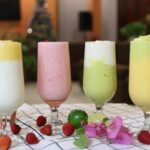
A good fruit smoothie should be cold, smooth, and easy to sip without feeling watery. Getting there is less about finding a perfect recipe than understanding how frozen fruit, liquid, and creamy ingredients work together. Once you learn a simple formula, you can switch flavors without guessing at the proportions every morning.
If you are wondering how to make fruit smoothies with a reliable texture, start with what is in your freezer and build from there. A blender, a few familiar ingredients, and small adjustments are enough.
Start With a Flexible Fruit Smoothie Formula
For one generous serving, combine 1 cup of frozen fruit, 1/2 cup of milk or another drinkable liquid, and 1/2 cup of plain yogurt. Blend, then adjust with a tablespoon or two of extra liquid if needed. This is a starting point, not a strict rule: different fruits and blenders need different amounts of moisture.
The fruit provides flavor and much of the body. Frozen pieces keep the drink cold and thick without requiring ice. Yogurt adds creaminess, while the liquid helps the blades circulate the ingredients. For a dairy-free fruit smoothie recipe, use a plant-based yogurt and water, oat milk, or another preferred milk alternative.
If you want a lighter drink, replace some or all of the yogurt with more liquid. If you want something thick enough to eat with a spoon, begin with less liquid and add it cautiously. The useful habit is to control consistency before adding sweeteners or extra ingredients.
Choose Fruit With Texture in Mind
Frozen Fruit Creates a Thicker Blend
A frozen fruit smoothie usually feels thicker than the same mixture made with fresh fruit because the frozen pieces help create a chilled, semi-frozen consistency. Frozen banana is especially creamy, while mango and peaches blend into a soft, velvety texture. Berries can be refreshing but may contain noticeable seeds.
Frozen fruit does not have to come from a bag. Spread washed, prepared fruit on a tray, freeze until firm, and transfer it to a freezer-safe container. Remove pits and tough peels before freezing. Small chunks are easier on the blender than large solid blocks. For more preparation ideas, explore how to freeze fruit for smoothies.
Fresh Fruit Works, but Needs a Different Balance
Fresh ripe fruit makes delicious smoothies, particularly when it is naturally sweet and aromatic. However, juicy strawberries, melon, oranges, and pineapple can make a mixture thinner than expected. Use less added liquid at first, and include some chilled yogurt or frozen banana if you want more body.
Blend in the Right Order
The order of ingredients can determine whether your smoothie blends quickly or leaves stubborn chunks near the blades. In most countertop blenders, pour the liquid in first, add yogurt and any soft fruit, then finish with the frozen fruit. This gives the blades some fluid to work with immediately.
Secure the lid and begin on a low setting if your blender allows it. Increase the speed as the ingredients start circulating, and blend until no obvious frozen pieces remain. Stop the machine before scraping down the sides or moving anything near the blades. Follow your blender manufacturer’s instructions for minimum liquid and maximum fill levels.
Fine-Tune the Thickness Without Losing Flavor
Think of the first blend as a texture test. Pour a little into a glass or lift a spoonful. Does it flow steadily, pile up like soft ice cream, or separate into thin liquid and fruit pulp? Your next move depends on the answer.
If the Smoothie Is Too Thick
Add liquid one tablespoon at a time, then blend briefly. Milk and unsweetened plant-based drinks keep flavors fairly mellow; water works too, but can dilute the taste. Resist pouring in half a cup at once. A smoothie that is too thick is usually easy to correct, but reversing an overly thin mixture takes more fruit.
If the Smoothie Is Too Thin
Add a few pieces of frozen banana, mango, or berries, then blend again. A spoonful of thick yogurt can help as well. Ice chills a smoothie but may eventually water it down as it melts, so frozen fruit is often the better fix when flavor matters.
If the Smoothie Is Gritty or Foamy
Some berry seeds and fibrous fruit will remain noticeable even after thorough blending. Try softer fruit, a longer blend within your machine’s recommended limits, or strain the drink if a completely smooth finish matters. Foam can form from vigorous blending; letting the smoothie rest briefly may help bubbles settle.
A Practical Example: Fixing a Runny Berry Smoothie
Imagine blending 1 cup of fresh strawberries, 1 cup of milk, and 1/2 cup of yogurt. The taste is good, but the result drinks more like flavored milk than a thick smoothie. Adding more yogurt could help, yet the quickest improvement may be changing the fruit temperature and liquid ratio.
Next time, use 1 cup of frozen strawberries, 1/2 cup of milk, and 1/2 cup of yogurt. Blend and add just enough extra milk to keep the blades moving. If the strawberries are tart, half a ripe banana can round out the flavor. This small change illustrates why a smoothie formula is more useful than memorizing individual recipes.
Optional Add-Ins That Actually Change the Result
A spoonful of nut butter adds richness and a distinct flavor, while oats can make a smoothie feel heartier. Chia seeds absorb liquid over time and may thicken a drink after it rests. Ground flaxseed adds a slightly earthy taste. Start with small amounts so you can see how each addition affects the texture.
Vanilla, cinnamon, or a little citrus zest can add interest without dramatically changing consistency. Taste before sweetening: ripe banana and mango may provide enough sweetness already. If you prefer bright, tropical flavors, a mango smoothie recipe offers a useful variation on the basic method.
Frequently Asked Questions
Do I need ice to make fruit smoothies?
No. Frozen fruit cools and thickens a smoothie while contributing flavor. Ice can be useful with fresh fruit, but too much may make the result watery as it melts.
Can I make a smoothie without yogurt?
Yes. Blend fruit with milk, a plant-based drink, or water. Frozen banana or mango can supply some creaminess, though the finished texture will differ from a yogurt-based smoothie.
Why won’t my frozen fruit smoothie blend?
There may not be enough liquid around the blades, or the frozen pieces may be too large for your blender. Turn it off, add a small splash of liquid, and try again following the appliance instructions.
Can I prepare fruit smoothies ahead of time?
You can portion fruit into freezer bags ahead of time for faster blending. A finished smoothie is usually best freshly made, but it can be refrigerated in a sealed container for later; stir it before serving and follow safe food-storage practices.
Make Texture Your Guide
Once you understand the balance between frozen fruit, creamy ingredients, and liquid, making a smoothie becomes much simpler. Begin with the basic proportions, blend until smooth, and adjust in small steps. The best version is the one with a texture you enjoy, whether that means a thick breakfast smoothie or a lighter, refreshing fruit drink.