Great coffee beans can still make a disappointing cup when the grind is wrong. A French press that tastes sharp and watery may need a finer grind, while an espresso shot that barely drips may need a slightly coarser one. The right setting depends on how your brewer brings water and coffee together.
This coffee grind size guide offers starting points for popular methods and shows how to adjust by taste. Bean density, roast, filters, and individual grinders can all change the outcome, so treat the recommendations as a map rather than a fixed rule.
Coffee Grind Chart: Quick Starting Points
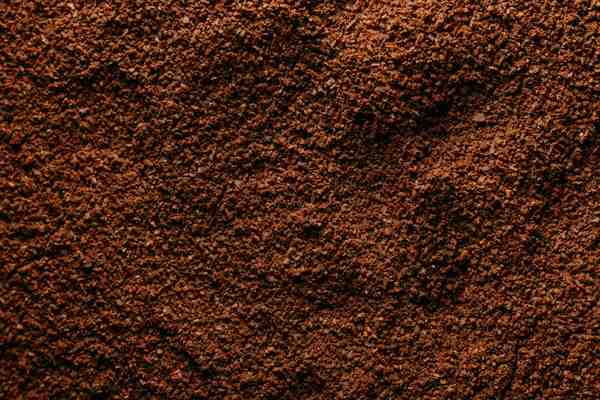
Espresso: fine, finer than ordinary table salt. Moka pot: medium-fine, slightly coarser than espresso. AeroPress: medium-fine for a standard short recipe. Pour-over: medium-fine to medium, similar to fine sand. Automatic drip: medium, like sand. French press: coarse, resembling rough sea salt. Cold brew: coarse to extra-coarse, especially for long immersion.
These are texture comparisons, not precise measurements. Different grinders produce different results at seemingly similar settings. Large pour-over batches may need a coarser grind than small ones, and long-steep AeroPress recipes may call for a different setting than quick presses.
Why Grind Size Changes Coffee Extraction
Grinding exposes more coffee surface to water. Finer particles generally release soluble material faster than coarse particles. Grind size also influences how quickly water flows through a coffee bed, especially in espresso and pour-over brewing. This is why a change of just a few grinder steps can noticeably alter a cup.
Under-extracted coffee often tastes sour or thin, while excessive or uneven extraction may taste harsh, bitter, or drying. However, coffee extraction also depends on the coffee-to-water ratio, temperature, agitation, and brew time. Keep those consistent while testing grind adjustments so you know what actually improved the flavor.
Best Grind Size for Each Brewing Method
French Press: Coarse
A coarse grind is a dependable starting point for a conventional four-minute French press recipe. The grounds stay immersed in water, and a metal mesh separates them from the drink. Start with a rough sea-salt texture. If the coffee tastes weak or notably sour, try slightly finer grounds before automatically adding more coffee.
Pour-Over: Medium-Fine to Medium
With a cone-shaped dripper, start medium-fine. Grind affects drainage through the paper and coffee bed. If water rushes through and the cup tastes sharp, move a little finer. If the brew stalls and tastes harsh, try coarser. Flat-bottom drippers and thicker filters can need different settings.
Notice drawdown time, but don’t chase an exact number at the expense of taste. Batch size and pouring technique also affect flow. If grind changes do not solve a slow brew, our pour-over brewing technique guide can help you troubleshoot the pour itself.
Automatic Drip: Medium
Most household drip coffee makers work well with a medium grind. Very fine grounds may slow flow and produce an unpleasantly heavy brew; very coarse grounds can taste underdeveloped. Basket shape and batch size matter, so fine-tune the grind using the amount you normally brew each morning.
Espresso: Fine
Pressurized water passes through a compact bed of finely ground coffee. Grind controls resistance, so small adjustments are especially noticeable. If a shot runs unusually fast and tastes sour, try finer. If it barely flows, try coarser. Keep the dose and beverage yield steady during testing.
No universal grinder number works for every espresso machine. Bean age, roast, and grinder design all affect the setting. An espresso-capable burr grinder provides the fine adjustment needed for repeatable results.
AeroPress: Medium-Fine
AeroPress recommends medium-fine grounds for its standard brewing approach: finer than typical drip coffee but coarser than espresso. This limits premature dripping without making the plunger unnecessarily hard to press. If pressing requires excessive force, try a slightly coarser grind rather than forcing the plunger.
Because you control immersion time, AeroPress is versatile. Longer recipes can accommodate coarser coffee, while short recipes may favor finer grounds. Match the setting to your chosen recipe, not just the device name.
Cold Brew: Coarse to Extra-Coarse
Cold brew typically uses many hours of immersion, making coarse coffee a practical default. Finer grounds are not automatically wrong, but they can slow filtering and increase sediment. Start coarse, hold the steep time constant, and adjust one variable per batch. Our guide to making cold brew at home offers more help with filtration and dilution.
Moka Pot: Medium-Fine
Moka pots generally work with a grind slightly coarser than espresso but finer than standard drip. Extremely fine grounds can restrict flow and contribute to harsh flavors. Fill and level the basket according to your brewer’s instructions; unlike espresso, moka pot grounds should not be tamped.
How to Find Your Best Setting
Start with a repeatable recipe. Weigh the coffee and water, keep the temperature and brewing technique similar, then make one modest grind adjustment. Taste the result before changing anything else. Write down the setting and what you noticed.
Suppose you brew 20 grams of coffee with 320 grams of water in a pour-over dripper. Your first cup finishes quickly and tastes sour. Keep the same recipe, move one or two small grinder steps finer, and brew again. If the next cup tastes sweeter and more rounded, that adjustment helped.
If a brew tastes both sour and bitter, don’t assume a simple finer-or-coarser fix. Uneven wetting, clumping, or channeling can cause inconsistent extraction. Look at your pouring and ground distribution before making another large adjustment.
Why Your Grinder Matters
Burr grinders typically offer more consistent particle sizes and easier adjustment than blade grinders. Even good burr grinders produce some fines, and dial numbers are not standardized. Setting 12 on one model tells you little about setting 12 on another. Use taste and your own notes, not a borrowed number, to find the right grind size for coffee.
Frequently Asked Questions
What is the best all-purpose coffee grind?
Medium is versatile for drip machines and some pour-over brewers, but it cannot fully replace the fine grind required for espresso or the coarse grind commonly used for French press.
Does grinding finer always make stronger coffee?
No. Finer grounds can increase extraction under similar conditions, but beverage strength depends strongly on the coffee-to-water ratio. Grinding too fine can obstruct flow and cause uneven extraction.
Can I use espresso-ground coffee in a French press?
You can, but it is not ideal for a conventional recipe. Fine particles may pass through the mesh, create sediment, and extract quickly. Adjust the steep carefully if that is all you have.
Should light and dark roasts use different grind settings?
They may. Different roasts extract differently, so start with your usual setting, taste the result, and adjust gradually instead of relying on a rigid roast-based rule.
Make Each Brew More Consistent
Use the coffee grind chart as your first reference, then let flavor and flow guide the next change. The ideal setting is the one that produces a balanced cup with your beans, brewer, and recipe. Once you find it, write it down: consistent brewing is built through small, repeatable corrections.