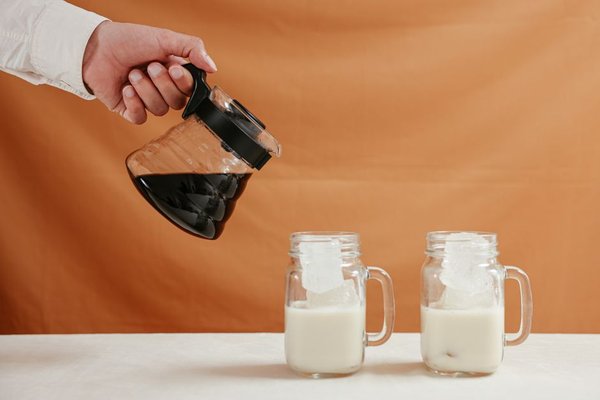
A good glass of cold brew starts the night before, not with a complicated machine. Mix coffee with cool water, leave it to steep, and strain it when you wake up. The payoff is a smooth, refreshing drink you can pour over ice without waiting for freshly brewed coffee to cool.
The secret to learning how to make cold brew coffee at home is choosing the right strength from the beginning. A concentrated batch needs diluting before serving, while a lighter batch can go straight into your glass. Once you know that difference, the process becomes wonderfully predictable.
What You Need for Homemade Cold Brew
There’s no special brewer required. A clean glass jar, jug, or French press works well, provided it has room for the grounds and water. You’ll also need a sieve and a paper coffee filter or clean reusable cloth for straining.
Choose beans you enjoy drinking. Medium and dark roasts often produce chocolatey, nutty flavours, while lighter roasts may taste brighter or fruitier. Freshly ground beans can improve aroma, but good-quality pre-ground coffee labelled for French press or cold brew is a practical option.
Ask for coarse coffee grounds, approximately the size of coarse salt. Fine espresso grounds are harder to filter and can leave sediment in your drink. If you grind beans yourself, our guide to how to grind coffee beans can help you match the grind to different brewing methods.
Get the Coffee-to-Water Ratio Right
For a versatile cold brew coffee recipe, start with 100 grams of coffee and 500 grams (about 500 millilitres) of water. This 1:5 coffee-to-water ratio makes a concentrate that you’ll usually dilute. Use a kitchen scale if you have one: coffee measured in tablespoons varies considerably depending on grind size.
If you’d rather brew something closer to ready-to-drink strength, try 75 grams of coffee with 600 grams of water, a 1:8 ratio. You may still want to adjust it after tasting. Neither ratio is a rule carved in stone; both are useful starting points for finding the balance you prefer.
How to Make Cold Brew Coffee Step by Step
Measure and Wet the Grounds
Put 100 grams of coarsely ground coffee in a clean jar. Add 500 grams of cool, preferably filtered water slowly, stirring just enough to soak all the grounds. Dry pockets can cause uneven extraction, so check the surface before covering the container.
Cover and Steep in the Fridge
Place the covered jar in the refrigerator for approximately 12 to 18 hours. Twelve hours is a sensible first test; a longer steep may create a fuller flavour, especially in a cold fridge. Taste and adjust your next batch rather than assuming more time always means better coffee.
For example, if you want cold brew with breakfast at 8 a.m., prepare the jar around 6 p.m. the previous evening. By morning it will have steeped for 14 hours, and all that’s left is filtering and pouring. You can set the jar on a tray to catch an occasional drip.
Strain Without Stirring Up Sediment
Pour the mixture through a fine-mesh sieve into another clean container, then pass it through a paper coffee filter if you prefer a clearer drink. Filtering through paper can be slow, particularly if the grind contains fine particles. Let gravity do the work rather than squeezing the grounds hard, which can push unwanted sediment through.
A French press simplifies the first filter: depress the plunger slowly, pour off the coffee, then filter again if needed. Remove the grounds promptly once the brew tastes right so extraction stops.
Dilute and Serve
For the 1:5 concentrate, start with equal parts cold brew and water or milk. Pour 100 millilitres of concentrate over ice, add 100 millilitres of cold water, stir, and taste. If it seems too strong, add more water; if too light, reduce the dilution next time.
For a creamier version, replace water with milk or a plant-based alternative. A little vanilla syrup or cinnamon can add interest without masking the coffee. Our homemade coffee syrups guide offers more ideas for tailoring a glass to your taste.
How to Adjust a Batch That Doesn’t Taste Right
If the result is harsh or overly intense, first check whether you accidentally drank concentrate without diluting it. If dilution doesn’t help, try a slightly coarser grind or a shorter steep next time. Stale beans can also leave an unpleasant aftertaste.
For weak or watery cold brew, consider whether the recipe used too much water, the steep was too short, or melted ice diluted the final glass. Change one variable at a time. Keeping a small note of the bean, ratio, and hours makes the next batch easier to perfect.
If your coffee looks muddy, your grinder may be producing too many fine particles. Filter it through paper and aim for more uniform coarse grounds next time. For a different chilled-coffee experience, you could also try our iced coffee recipes, which begin with hot-brewed coffee rather than a long cold steep.
Storage and Small Details That Matter
Transfer the strained coffee into a clean, covered bottle or jar and keep it refrigerated at 4°C (40°F) or below. For the best flavour, make an amount you’ll finish within a few days. Discard it if it develops an unusual smell, visible growth, or other signs of spoilage. Add milk to individual servings rather than the whole stored batch.
Remember that cold brew isn’t automatically low in caffeine. The amount depends on the coffee used, the concentration, and how much you dilute it. Start with a modest glass if you’re sensitive to caffeine, particularly when trying a strong concentrate for the first time.
Frequently Asked Questions
Can I make cold brew with regular ground coffee?
Yes, but a coarse grind is preferable. Standard drip-ground coffee is finer, so it may leave more sediment and can taste less balanced after a long steep. Use a paper filter to improve clarity.
Should cold brew steep for 12 or 24 hours?
Start around 12 to 18 hours in the fridge. Twenty-four hours may suit some preferences, but it isn’t necessary for a good result and can lead to flavours you don’t enjoy. Adjust based on taste rather than the clock alone.
Is cold brew the same as iced coffee?
No. Cold brew steeps grounds in cool water for hours. Traditional iced coffee is brewed hot and then chilled or poured over ice. Those different extraction methods give the drinks distinct flavour profiles.
Do I need a cold brew maker?
Not at all. A jar and a filter are enough. A dedicated brewer adds convenience, particularly for straining larger batches, but it doesn’t replace good beans, sensible ratios, and patience.
A Better Morning Starts the Night Before
Once you’ve tried a measured batch, homemade cold brew becomes an easy routine rather than a guessing game. Begin with coarse grounds, a 1:5 concentrate, and an overnight refrigerated steep. Strain carefully, dilute to your liking, and change one detail at a time until every glass tastes just right.