
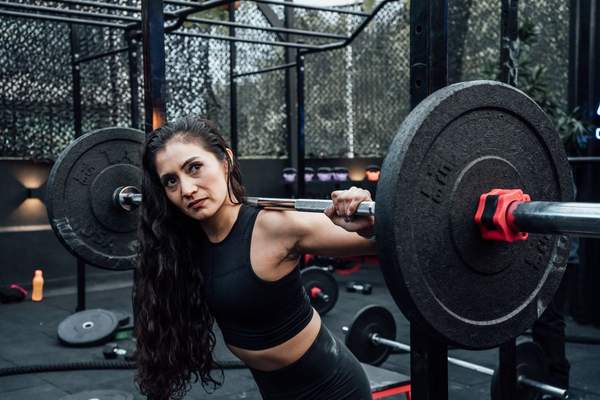
Learning how to squat with proper form is one of the best investments a beginner can make in the gym. The squat strengthens the legs, hips, and trunk while teaching you how to brace, balance, and move under load. Yet because the movement looks simple, many lifters add weight before building reliable technique. A good squat should feel controlled, repeatable, and suited to your body—not like a battle to reach an arbitrary position.
Start With a Stance You Can Control
Stand with your feet roughly shoulder-width apart and your toes turned slightly outward. That is a useful starting point, not a rigid rule. Some people squat more comfortably with a narrower stance, while others need extra width because of differences in hip structure, limb length, or ankle mobility.
Before descending, connect your whole foot to the floor. Maintain pressure through the heel, the base of the big toe, and the base of the little toe. This “tripod foot” creates a stable platform and helps prevent the knees or ankles from collapsing inward.
Your knees should generally track in the same direction as your toes. They do not need to stay behind your toes. Allowing the knees to move forward is normal, especially in a deeper squat, as long as your heels remain grounded and the movement stays comfortable.
Brace Before You Move
Effective squat technique begins before the descent. Take a breath into your abdomen and sides, then tighten your trunk as though preparing for a firm push to the stomach. Keep your ribs stacked over your pelvis rather than dramatically arching your lower back or rounding forward.
Your torso will naturally lean to some degree, particularly if you have long thighs. A forward torso angle is not automatically bad back squat form. The goal is to stay balanced over the middle of your feet while keeping your trunk controlled.
Descend With Hips and Knees Together
Begin by bending your knees and hips at the same time. Avoid thinking only about “sitting back,” because that cue can shift your weight too far toward your heels. Instead, imagine lowering your body between your legs while keeping your feet planted.
Move at a speed you can control. Keep your knees tracking over your toes and your chest steady. Look straight ahead or slightly downward so your neck remains neutral rather than cranking your head upward.
Choose a Safe, Useful Squat Depth
Squat depth should be based on control, comfort, and your training goal. A common target is to descend until the crease of the hip is around the level of the top of the knee. Many people can safely go deeper, while others may initially need to stop higher because of mobility limits, pain, or balance.
Do not force depth by letting your heels lift, lower back collapse, or knees cave inward. Work within the deepest range you can control, then improve gradually. Bodyweight squats, heel-elevated squats, and supported squats can help you explore a stronger position without heavy resistance.
Stand Up by Driving Through the Floor
From the bottom position, keep your brace and push the floor away. Your hips and shoulders should rise together. If your hips shoot upward first while your chest drops, the squat may turn into a good-morning-style movement that places more demand on the lower back.
Continue pressing through the whole foot as your knees and hips extend. At the top, stand tall without leaning backward. Exhale, reset your brace, and begin the next repetition only when you feel balanced.
How to Set Up a Back Squat
For a barbell back squat, place the bar across the muscular shelf of your upper back, not directly on the bones of your neck. A high-bar position sits on the upper traps, while a low-bar position rests slightly lower across the rear shoulders. Beginners often find high-bar squats easier to learn because they encourage a more upright torso.
Grip the bar securely, pull your shoulder blades together, and create tension through your upper back. Step out of the rack carefully, set your feet, and brace. Start with an empty bar or light load until your back squat form stays consistent from the first repetition to the last.
Common Squat Mistakes to Avoid
Letting the Knees Collapse Inward
A clear inward collapse may reduce stability. Keep the knees aligned with the toes and maintain pressure across the whole foot. Reducing the load is often more useful than forcing an exaggerated “knees out” position.
Lifting the Heels
Heels may rise because the stance is unsuitable, the ankles lack usable range, or the lifter shifts too far forward. Adjust your foot angle or stance width. Weightlifting shoes or a small heel wedge can help, but they should support sound technique rather than hide pain.
Adding Weight Too Quickly
One of the most common squat mistakes is treating heavier weight as proof of progress. Increase the load only when you can repeat the same stance, depth, bracing, and balance. Filming a set from the side can reveal changes that are difficult to feel while lifting.
Ignoring Pain
Muscular effort is expected, but sharp, persistent, or worsening pain is a reason to stop. Do not force a position that does not suit you. A qualified healthcare professional or experienced strength coach can help assess symptoms and modify the movement.
How to Practise the Movement
Use bodyweight squats as a warm-up and skill drill. Perform controlled repetitions and pause briefly at the bottom while maintaining foot pressure and your brace. Goblet squats are also useful because holding a dumbbell in front of your chest often makes balance and depth easier to understand.
Practise two or three times per week with manageable volume. Quality matters more than exhaustion. Once your movement is consistent, gradually add resistance while leaving a few good repetitions in reserve.
Frequently Asked Questions
How wide should my squat stance be?
Start around shoulder width with the toes slightly turned out, then adjust until you can keep your feet flat, knees aligned, and hips comfortable.
How deep should a beginner squat?
Use the deepest range you can control without pain, heel lift, or loss of trunk position. Depth can improve as your strength, balance, and mobility develop.
Should my knees go past my toes?
They can. Forward knee movement is normal in many squats and is not automatically harmful. Focus on comfort, control, heel contact, and knee alignment.
How do I know when to add weight?
Add weight when your repetitions are consistent, you can maintain your brace and chosen depth, and the final repetitions do not cause your technique to break down.
Build Your Squat One Rep at a Time
Understanding how to squat with proper form is less about copying one perfect-looking position and more about mastering dependable principles: stable feet, controlled knee tracking, a strong brace, comfortable depth, and balanced upward drive. Begin with a stance that fits your body, practise with light resistance, and progress only when the movement remains repeatable. That patient approach will build better technique, greater confidence, and a stronger foundation for years of training.