
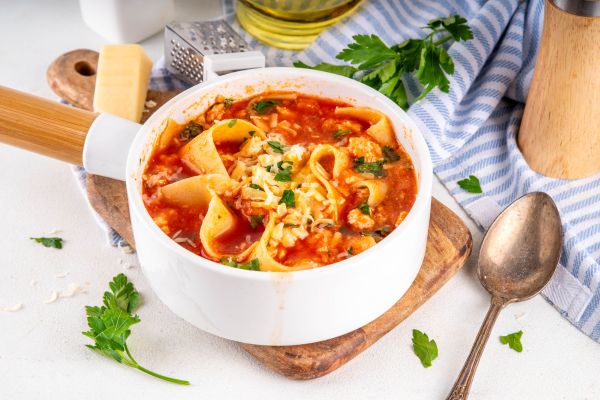
There’s something quietly magical about pasta. It’s humble—just flour, eggs, maybe a splash of water—yet it carries centuries of tradition on its silky ribbons and sturdy tubes. In kitchens across Italy, pasta isn’t just dinner. It’s ritual, comfort, and a reflection of place. From the creamy richness of the north to the sun-drenched tomato sauces of the south, Italian pasta recipes tell stories that stretch far beyond the plate.
If you’ve ever wanted to bring a little of that story into your own kitchen, you’re in the right place. These are the best Italian pasta recipes to try at home—not because they’re complicated or trendy, but because they’re timeless.
The Beauty of Simplicity in Italian Pasta
One of the first things you notice about authentic Italian cooking is how little it tries to impress you. The flavors are clean. The ingredient lists are short. A good pasta dish often hinges on just three or four elements, each treated with care.
Italian pasta recipes rely on balance rather than excess. Olive oil instead of butter in many southern dishes. Fresh herbs instead of heavy seasoning. Tomatoes that taste like tomatoes, not like sugar. When you cook pasta the Italian way, you start to appreciate restraint. You learn that the right amount of garlic, gently sautéed, can be more powerful than a dozen spices thrown together.
And perhaps most importantly, you learn to respect the pasta itself—cooked until al dente, with just enough bite to remind you it’s alive.
Spaghetti alla Carbonara: A Roman Classic
There’s a reason carbonara has become one of the most famous Italian pasta recipes in the world. When done properly, it’s silky and rich without being heavy. It feels indulgent, yet it’s built from pantry staples.
Authentic carbonara doesn’t include cream, despite what many restaurant menus might suggest. The creaminess comes from eggs whisked with grated Pecorino Romano and a generous crack of black pepper. Crispy guanciale, a cured pork cheek, provides depth and saltiness. The hot pasta, tossed quickly with the egg mixture off the heat, creates a glossy sauce that clings to every strand.
It’s a dish that demands attention. Too much heat, and the eggs scramble. Too little, and the sauce won’t emulsify. But once you get the rhythm of it, carbonara becomes a go-to comfort meal—impressive, yes, but also deeply satisfying.
Tagliatelle al Ragù: The Soul of Bologna
Outside Italy, we often call it “Bolognese.” In Bologna, it’s simply ragù. And it’s traditionally served with tagliatelle, not spaghetti.
This northern Italian favorite is slow cooking at its best. Ground meat—usually a combination of beef and pork—is gently simmered with finely chopped onion, carrot, and celery. A splash of wine and a little milk round out the acidity, while tomatoes play a supporting role rather than taking center stage.
The sauce is thick and deeply savory. It coats the broad ribbons of tagliatelle beautifully, each strand catching bits of tender meat. It’s not flashy. It’s patient. And that patience is what makes it one of the most beloved Italian pasta recipes to recreate at home.
There’s something grounding about letting a pot of ragù bubble softly on the stove for a few hours. The aroma fills the kitchen, and time seems to slow down just enough to matter.
Pesto alla Genovese: Freshness from Liguria
In the coastal region of Liguria, basil grows fragrant and abundant. That basil becomes the heart of pesto alla Genovese, a sauce that feels like summer in a bowl.
True pesto is made by crushing fresh basil leaves with garlic, pine nuts, Parmesan, Pecorino, and extra-virgin olive oil. The result is vivid green and intensely aromatic. No cooking is required beyond boiling the pasta—usually trofie or linguine—and tossing it with the pesto and a spoonful of starchy pasta water to help it cling.
This is one of those Italian pasta recipes that shines because of ingredient quality. If the basil is limp or the oil is bland, the dish falls flat. But when everything is fresh, the flavors sing. It’s bright, slightly nutty, and impossibly fragrant.
On a warm evening, a bowl of pesto pasta with a simple salad on the side feels like enough.
Cacio e Pepe: Proof That Less Is More
Few dishes capture the spirit of Roman cooking quite like cacio e pepe. Translated simply as “cheese and pepper,” it sounds almost too minimal to be worth mentioning. Yet it’s a masterclass in technique.
The sauce is made by combining grated Pecorino Romano with freshly ground black pepper and hot pasta water. The starch from the water helps create a creamy emulsion that coats spaghetti or tonnarelli in a glossy layer.
There’s no garlic, no butter, no cream. Just cheese, pepper, and pasta. But when done correctly, the flavor is bold and addictive. The sharpness of the Pecorino meets the warmth of the pepper, and somehow that’s enough.
Among classic Italian pasta recipes, cacio e pepe might be the one that teaches you the most about precision. It rewards patience and punishes shortcuts. And once you nail it, you’ll never underestimate simple food again.
Lasagna: Layers of Comfort
Lasagna might be the most comforting of all Italian pasta recipes. It’s generous, layered, and meant to be shared.
Traditional lasagna from Emilia-Romagna often includes sheets of fresh egg pasta layered with ragù, béchamel sauce, and Parmigiano-Reggiano. The top bakes into a golden crust while the inside stays tender and rich. Every slice reveals distinct layers that melt together in the oven.
There are countless variations—some with spinach in the pasta, others with vegetables or different cheeses. What remains constant is the sense of occasion. Lasagna is rarely rushed. It’s assembled thoughtfully, baked slowly, and usually served at gatherings where conversation stretches long after the plates are cleared.
It’s the kind of dish that feels like home, even if you’re making it for the first time.
Pasta alla Norma: A Taste of Sicily
Travel south to Sicily and you’ll find pasta alla Norma, a dish that celebrates eggplant and tomatoes in their most vibrant form.
Chunks of eggplant are fried until golden, then combined with a rich tomato sauce flavored with garlic and basil. The pasta—often rigatoni or penne—is tossed through the sauce and finished with a shower of grated ricotta salata.
The flavors are bold yet balanced. The eggplant is creamy inside and slightly crisp outside. The tomatoes are bright and slightly sweet. The salty ricotta ties it all together.
Among Italian pasta recipes, this one feels particularly sun-soaked and generous. It carries the warmth of the Mediterranean in every bite.
How to Bring Authentic Flavor Into Your Kitchen
You don’t need a wood-fired oven or a Tuscan villa to cook memorable pasta. What you need is attention.
Start with good pasta, preferably made from durum wheat semolina. Salt your water generously—it should taste like the sea. Cook the pasta until al dente, then finish it in the sauce with a splash of pasta water. This step helps the sauce cling and transforms separate components into a cohesive dish.
Choose ingredients that taste like themselves. Ripe tomatoes. Real Parmigiano-Reggiano. Fresh herbs. Italian pasta recipes rely on quality, not complexity.
And maybe most importantly, don’t rush. Pasta dishes often come together quickly, but they benefit from focus. Stir the sauce. Taste as you go. Adjust. Cooking pasta well is less about following strict rules and more about paying attention to what’s happening in the pan.
Why Italian Pasta Recipes Endure
It’s tempting to chase trends in the kitchen—new techniques, exotic ingredients, dishes designed more for photographs than for eating. But Italian pasta recipes endure because they’re rooted in everyday life.
They’re practical. They feed families. They transform modest ingredients into something memorable. And they leave room for interpretation without losing their identity.
When you make carbonara or ragù at home, you’re participating in a tradition that spans generations. You might tweak it slightly—use pancetta instead of guanciale, or add a little extra garlic—but the core remains intact.
There’s comfort in that continuity.
A Final Bite
The best Italian pasta recipes to try at home aren’t necessarily the most elaborate. They’re the ones that invite you to slow down, to taste carefully, to cook with intention. Whether it’s the peppery simplicity of cacio e pepe or the layered richness of lasagna, each dish carries a piece of Italy’s culinary soul.
And once you begin exploring these recipes in your own kitchen, you realize something simple but powerful: pasta isn’t just food. It’s a way of gathering people, of marking time, of turning ordinary evenings into something quietly special.
That might be the most enduring recipe of all.