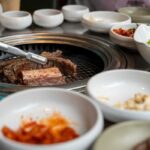
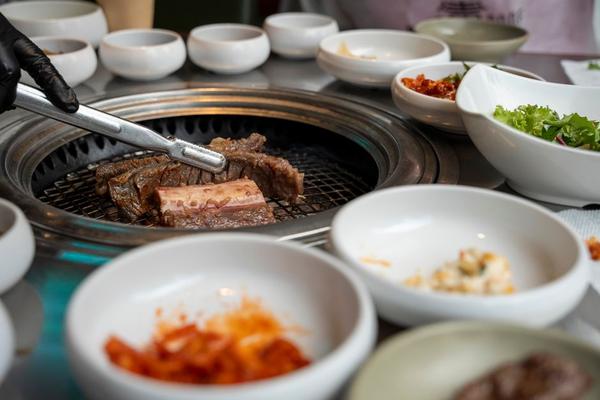
Korean BBQ is popular for a reason: the cooking happens right at the table, the meat arrives sizzling, and every bite can be built differently with sauces, rice, lettuce, and small side dishes. Recreating that experience at home is easier than it looks. You do not need a restaurant-style exhaust system or a specialized charcoal grill. With a good pan or tabletop grill, thinly sliced meat, a balanced marinade, and a few classic accompaniments, you can build a generous Korean BBQ spread.
Choose the Right Meat for Korean BBQ
The best starting point is meat that cooks quickly over high heat. Beef short ribs, ribeye, brisket, pork belly, and pork shoulder are all common choices. For home cooking, thin slices are especially useful because they brown fast.
For beef, bulgogi-style ribeye or sirloin is a practical option. Ask a butcher to slice it thinly, or place the meat in the freezer for about 30 to 45 minutes so it firms up enough to slice more easily. Pork belly can be cooked unmarinated, while pork shoulder works well with a spicy gochujang-based sauce.
If you are serving several people, offer two types of meat rather than preparing everything at once. Marinated beef and plain pork belly give guests variety without making the prep complicated.
Make a Balanced Korean BBQ Marinade
A classic korean bbq recipe for bulgogi usually balances savory, sweet, aromatic, and nutty flavors. Soy sauce provides salt and depth, sugar or another sweetener helps browning, sesame oil adds richness, and garlic and scallions bring freshness. Grated Asian pear is often used to add sweetness and can help tenderize meat, although a ripe apple can be a convenient substitute.
Simple Bulgogi-Style Marinade
For about 1 pound of thinly sliced beef, combine 4 tablespoons soy sauce, 1 to 2 tablespoons brown sugar, 1 tablespoon sesame oil, 2 minced garlic cloves, 2 sliced scallions, a small amount of grated pear or apple, and black pepper. Marinate thin beef for roughly 30 minutes to a few hours. Very thin slices do not need an overnight soak.
For spicy pork, mix gochujang with soy sauce, garlic, sesame oil, a little sugar, and gochugaru if you want extra heat. Keep some meat unseasoned as well. Plain grilled pork belly dipped in sesame oil and salt is a classic contrast to sweeter marinades.
Set Up Korean Grilling at Home
A portable tabletop grill creates the most restaurant-like experience, but a cast-iron skillet, grill pan, or heavy frying pan also works. The key is strong, steady heat and enough surface area to avoid crowding. When too much meat is added at once, released moisture can cause it to steam instead of sear.
If you are cooking indoors, open windows, run the extractor fan, and keep splatter under control. Avoid letting sugary marinades burn on the pan. Wipe or carefully clean the cooking surface between batches when caramelized bits become dark.
For a practical dinner for four, place a grill or skillet in the center, keep raw meat on a separate tray, and arrange cooked rice, lettuce, sauces, and side dishes around it. One person can handle the first batch, then everyone can assemble wraps while the next batch cooks. This keeps the meal social instead of turning it into a rush.
Cook the Meat Safely and Keep It Juicy
Use separate utensils or plates for raw and cooked meat to reduce cross-contamination. Thin beef slices cook quickly, while thicker pork pieces need more time. Cook poultry and ground meats thoroughly, and use a food thermometer when thickness makes doneness difficult to judge.
Do not press meat repeatedly against the pan. Let it make contact long enough to brown, then turn it. With marinated beef, work in small batches so the edges caramelize rather than simmer in pooled liquid.
Build the Table With Korean Side Dishes
The meat may be the centerpiece, but korean side dishes are what make the meal feel complete. You do not need a dozen banchan. Three or four well-chosen sides can provide enough crunch, acidity, heat, and freshness to balance rich grilled meat.
Kimchi is the most obvious choice. Add steamed rice, sliced cucumber seasoned with vinegar and sesame, and a simple seasoned spinach or bean sprout dish. Pickled radish is another excellent option because its acidity cuts through fatty pork belly.
Natural internal-link topics for a Korean food site include Korean kimchi recipes, easy Korean rice dishes, and a guide to gochujang and other Korean pantry staples.
Do Not Forget the Sauces and Lettuce Wraps
Ssamjang, a thick savory dipping sauce typically made with fermented soybean paste and gochujang, is especially good with pork and beef. You can buy it ready-made or mix doenjang, gochujang, sesame oil, garlic, and a touch of sweetener at home.
Serve green or red leaf lettuce for wraps. A typical bite might include lettuce, a spoonful of rice, one piece of grilled meat, a dab of ssamjang, and perhaps kimchi or sliced garlic. Smaller bites are easier to eat and let you vary the combinations throughout the meal.
How to Plan the Meal Without Stress
Most of the work can be done before guests arrive. Slice and marinate meat, wash lettuce, prepare banchan, cook rice, and portion sauces in advance. Refrigerate raw meat until you are ready to grill, and set the table before turning on any tabletop equipment.
For two people, one protein, rice, kimchi, lettuce, and one extra vegetable side can be plenty. For four to six people, two proteins and three or four sides create more variety. Focus on contrast rather than quantity: one sweet-savory meat, one richer or spicier meat, something pickled, something fresh, and rice.
Frequently Asked Questions
What is the best cut of meat for Korean BBQ at home?
Thinly sliced ribeye or sirloin is excellent for bulgogi, while pork belly is one of the easiest cuts to grill without a marinade. Short ribs are also popular if you can find them cut appropriately for Korean BBQ.
Can I make Korean BBQ without a tabletop grill?
Yes. A cast-iron skillet, grill pan, or heavy frying pan works well. Cook in batches over medium-high to high heat and ventilate the kitchen to manage smoke and cooking odors.
What side dishes should I serve with Korean BBQ?
Start with kimchi, steamed rice, lettuce, and one or two vegetable or pickled sides. Cucumber salad, seasoned spinach, bean sprouts, and pickled radish are all good choices.
How much meat should I buy per person?
About 6 to 8 ounces of meat per adult is a useful starting point when the meal also includes rice, lettuce, and several sides. Increase the amount if meat is the main focus or your guests have larger appetites.
Bring the Korean BBQ Experience Home
The best homemade Korean BBQ is less about copying a restaurant perfectly and more about creating the same sense of variety and participation. Start with meat, season it thoughtfully, cook small batches over strong heat, and surround it with rice, lettuce, sauces, and bright side dishes. Once the prep is finished, the meal largely takes care of itself at the table, giving everyone a chance to cook, build their own bites, and enjoy the food together.