Italian pasta is loved because it proves that memorable food does not need a long ingredient list. A few well-chosen elements, treated with care, can create a dish that feels generous, comforting, and deeply rooted in place. That is the spirit behind the best authentic Italian pasta recipes: they rely on regional traditions, balanced flavours, and techniques that make every ingredient count.
This collection brings together 15 classics from across Italy, from the peppery simplicity of cacio e pepe to the slow-cooked richness of ragù. Some are naturally quick enough for a weeknight, while others reward a little patience. Together, they offer a practical introduction to traditional Italian cooking and show why the country’s pasta culture is far more diverse than a single red sauce.
15 Authentic Italian Pasta Recipes to Try
1. Spaghetti alla Carbonara
Roman carbonara is made with pasta, eggs, Pecorino Romano, guanciale, and black pepper. There is no cream in the traditional version. The silky sauce forms when the egg and cheese mixture is tossed with hot pasta away from direct heat, using a splash of starchy cooking water to loosen it.
2. Cacio e Pepe
Another Roman essential, cacio e pepe turns three basic ingredients—pasta, Pecorino Romano, and black pepper—into something remarkably satisfying. The key is creating a smooth emulsion with finely grated cheese and warm pasta water rather than simply sprinkling cheese over the top.
3. Pasta all’Amatriciana
Amatriciana combines guanciale, tomato, Pecorino Romano, and a touch of chilli. Bucatini is a popular pairing because its hollow centre catches the sauce, although spaghetti also works. The result is savoury, tangy, and slightly spicy without becoming heavy.
4. Pasta alla Gricia
Often described as the ancestor of amatriciana, gricia leaves out the tomato. Crisp guanciale, rendered fat, Pecorino Romano, and black pepper coat the pasta in a glossy sauce. It is one of the best easy pasta recipes for learning how fat, cheese, and pasta water work together.
5. Tagliatelle al Ragù Bolognese
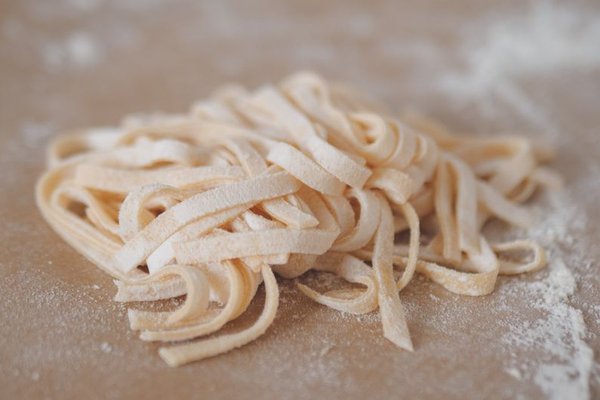
In Bologna, ragù is traditionally served with fresh egg tagliatelle rather than spaghetti. The sauce is gently cooked with minced meat, aromatic vegetables, wine, tomato, and often a little milk. Its flavour should be rounded and meaty, with tomato supporting the sauce rather than dominating it.
6. Lasagne alla Bolognese
This Emilia-Romagna classic layers fresh pasta sheets with ragù, béchamel, and Parmigiano Reggiano. Traditional versions may use green spinach pasta. Unlike many overloaded casseroles, authentic lasagne depends on thin, balanced layers that hold together while remaining tender.
7. Trofie al Pesto Genovese
From Liguria, this dish pairs twisted trofie pasta with pesto made from basil, pine nuts, garlic, Parmigiano Reggiano, Pecorino, and extra virgin olive oil. Potatoes and green beans are often cooked with the pasta, adding softness and making the dish feel complete.
8. Spaghetti alle Vongole
A coastal favourite from Naples and surrounding areas, spaghetti alle vongole combines clams, garlic, olive oil, parsley, and pasta water. Some cooks add a small amount of tomato, but the white version is especially common. Fresh clams and careful seasoning are essential because their briny liquid flavours the entire dish.
9. Pasta alla Norma
Sicily’s pasta alla Norma features fried or roasted aubergine, tomato sauce, basil, and salted ricotta. It is a superb example of Italian pasta dishes built around vegetables. The aubergine brings richness, while the cheese adds a salty finish that balances the sweet tomato.
10. Orecchiette con Cime di Rapa
This Puglian speciality matches ear-shaped orecchiette with cime di rapa, a pleasantly bitter leafy vegetable related to broccoli rabe. Garlic, chilli, olive oil, and often anchovy provide depth. The pasta’s small cups capture the greens and savoury dressing in every bite.
11. Pappardelle al Cinghiale
Popular in Tuscany, broad pappardelle ribbons are served with a slow-cooked wild boar ragù. The meat is often marinated and simmered with wine, herbs, and tomato until tender. For home cooks who cannot source wild boar, a well-made pork ragù can provide a more accessible alternative, though the flavour will differ.
12. Bigoli in Salsa
Veneto’s bigoli in salsa uses thick, rough-textured pasta with a deeply savoury sauce of onions and salted fish, traditionally anchovies or sardines. The onions are cooked slowly until soft and sweet, creating a simple sauce with impressive depth.
13. Pasta e Fagioli
Part pasta dish and part soup, pasta e fagioli combines beans, small pasta shapes, aromatics, and regional seasonings. Recipes vary across Italy, which is part of its charm. It is economical, filling, and ideal for anyone exploring rustic homemade pasta recipes and everyday cucina povera traditions.
14. Linguine al Limone
Associated with southern Italy and its abundant citrus, pasta al limone is bright, creamy, and fragrant. Lemon zest and juice are combined with butter or olive oil, cheese, and pasta water. The sauce should taste fresh and balanced rather than sharply acidic.
15. Ravioli Burro e Salvia
Filled ravioli served with butter and sage allows the pasta itself to remain the star. The filling may contain ricotta and spinach, pumpkin, meat, or local cheese. Gently browned butter and crisp sage create a delicate sauce that complements rather than overwhelms the filling.
How to Make Italian Pasta Taste More Authentic
Start by salting the cooking water well, then save a cup before draining. Starchy pasta water helps sauces cling and can rescue a mixture that feels too thick. Cook dried pasta until pleasantly firm, and finish it in the sauce whenever possible so the flavours come together.
Choose ingredients with purpose. Pecorino Romano is sharper and saltier than Parmigiano Reggiano, while guanciale tastes different from ordinary bacon. Substitutions can still produce a good meal, but understanding the original ingredient helps you preserve the character of the dish. Most importantly, avoid crowding a recipe with extras. Traditional Italian cooking often succeeds through restraint.
Frequently Asked Questions
What makes a pasta recipe authentically Italian?
An authentic recipe usually reflects a recognised regional tradition, uses ingredients suited to that dish, and follows established techniques. Authenticity does not mean every household cooks identically, but the core flavour and method should remain recognisable.
Do Italians put cream in carbonara?
Traditional Roman carbonara does not include cream. Its creamy texture comes from eggs, cheese, rendered guanciale fat, and starchy pasta water combined carefully away from high heat.
Which Italian pasta recipes are easiest for beginners?
Cacio e pepe, pasta alla gricia, linguine al limone, and pasta e fagioli are approachable starting points. They use relatively few ingredients, although careful timing and temperature still make a noticeable difference.
Can I use fresh pasta for every Italian sauce?
Not always. Fresh egg pasta is ideal for dishes such as tagliatelle al ragù and filled ravioli, while dried durum-wheat pasta suits carbonara, amatriciana, and clam sauces. Matching the pasta shape and texture to the sauce improves the final dish.
Bring Regional Italian Cooking Home
These authentic Italian pasta recipes offer more than a list of meals; they provide a tour of Italy’s regions, ingredients, and cooking habits. Begin with a simple Roman classic, try a vegetable-led Sicilian favourite, or spend an afternoon preparing a slow ragù. With good ingredients and attention to technique, home cooking can capture the honest, satisfying character that makes Italian pasta timeless.