
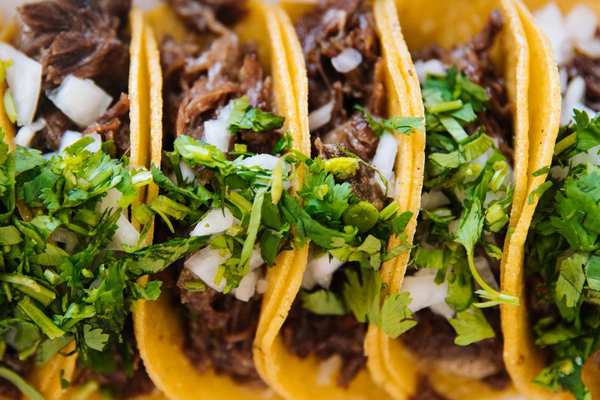
Walk into a taco restaurant in the United States and the word “taco” can describe two very different meals. One may arrive on a small, soft corn tortilla with chopped onion, cilantro, meat, and salsa. Another may come in a crisp shell filled with seasoned ground beef, shredded cheese, lettuce, tomato, and sour cream. Both can be delicious, but they do not represent the same culinary tradition.
The difference between authentic Mexican tacos and Tex-Mex tacos is not simply “real” versus “fake.” Tex-Mex is a legitimate regional cuisine shaped by Mexican, Indigenous, Spanish, and American influences in Texas. Authentic Mexican tacos reflect many regional traditions across Mexico. Understanding the contrast helps you order what you actually want and appreciate each style on its own terms.
The Biggest Difference Is the Culinary Tradition
Authentic Mexican tacos developed within Mexico’s varied regional food cultures. There is no single national taco formula. Tacos al pastor from central Mexico, carne asada tacos associated with the north, cochinita pibil tacos from Yucatán, and seafood tacos from Baja California all use different ingredients and techniques.
Tex-Mex grew along the Texas-Mexico border and within Mexican American communities in Texas. It is not merely Mexican food with extra cheese. It evolved as a distinct cuisine using ingredients and eating habits common in the region, including flour tortillas, beef, yellow cheese, cumin-forward seasoning, and combination plates. The more accurate comparison is Mexican regional cuisine versus a Mexican American regional cuisine.
Soft Corn Tortillas Versus Crisp Shells
The tortilla is often the quickest visual clue. Many authentic tacos are served on small, soft corn tortillas. Corn has deep roots in Mexican cooking, and the tortillas are warmed on a griddle so they stay flexible while gaining a lightly toasted aroma.
Flour tortillas are also authentic in parts of northern Mexico, so flour does not automatically make a taco Tex-Mex. Geography matters. Sonora, Chihuahua, and other northern regions have strong wheat-tortilla traditions.
The hard, U-shaped taco shell familiar to many US diners is more strongly associated with Americanized and Tex-Mex-style tacos. Fried tortillas also exist in Mexican cuisine, including tacos dorados and flautas, but those are usually filled before frying. A pre-formed crunchy shell filled afterward represents a different preparation.
How the Fillings Compare
Authentic Mexican Taco Fillings
Authentic tacos tend to spotlight a specifically prepared filling rather than a standardized mixture. Common examples include carne asada, carnitas, barbacoa, birria, lengua, chorizo, fish, shrimp, and al pastor cooked with chiles, spices, and pineapple. The cooking method is often central to the taco’s identity.
Mexican taco styles can also be highly local. A taco in Mexico City may feature suadero, while a coastal stand may serve battered fish with cabbage and crema. Vegetarian choices can include mushrooms, squash blossoms, potatoes, nopales, or beans.
Typical Tex-Mex Taco Fillings
The classic Tex-Mex taco often uses ground beef seasoned with cumin, chile powder, garlic, and other spices. Shredded or grilled chicken is also common. The filling may be paired with refried beans, rice, or queso as part of a larger plate.
Tex-Mex also includes breakfast tacos, especially in Texas, where flour tortillas may hold eggs, potatoes, bacon, chorizo, beans, or cheese. These are an important reminder that Tex-Mex is not limited to crunchy shells.
Toppings Reveal the Style
Traditional street-style authentic tacos usually have restrained toppings because the filling carries most of the flavor. Chopped white onion, cilantro, salsa, lime, and occasionally radish are common. Some tacos use avocado, pickled onions, cabbage, crema, or a regional garnish, but towering piles of toppings are not the default.
Tex-Mex tacos are more likely to include shredded lettuce, diced tomato, grated yellow cheese, sour cream, and guacamole. These ingredients create a cooler, creamier, crunchier contrast with the seasoned filling. Neither approach is automatically better; they are designed around different expectations.
Cheese Is a Clue, Not a Rule
One repeated claim in the Tex-Mex vs Mexican food debate is that authentic tacos never contain cheese. That is too simple. Many Mexican tacos are served without it, but cheese appears in preparations such as quesabirria and in regional cooking using Oaxaca, asadero, or panela.
The clearer difference is the type and quantity. Tex-Mex tacos frequently use a generous layer of shredded cheddar or a similar yellow cheese. Authentic Mexican tacos may use a specific fresh or melting cheese when it suits the filling, rather than treating cheese as a standard topping.
A Practical Way to Read a Taco Menu
Imagine choosing between two menu items. One says “carne asada taco” and lists corn tortilla, grilled steak, onion, cilantro, salsa verde, and lime. The other says “crispy beef taco” with seasoned ground beef, lettuce, cheddar, tomato, and sour cream. The first follows a common Mexican taqueria format; the second follows a familiar Tex-Mex format.
Look at the tortilla, cooking method, filling, toppings, and regional description instead of judging by the restaurant’s décor or name. Useful related topics include Mexican street food, regional Mexican dishes, and corn versus flour tortillas.
Can a Taco Be Both Mexican and Tex-Mex?
The border between the styles is not always rigid. Restaurants adapt recipes, families combine traditions, and diners influence menus. A soft flour tortilla filled with grilled beef, salsa, and cheese may reflect northern Mexican, Tejano, and modern restaurant influences at once.
Food categories explain patterns, but they should not erase the people who developed them. Tex-Mex belongs to Mexican American history, while Mexican cuisine contains countless regional identities. Treating either as a single fixed formula misses the richness of both.
Frequently Asked Questions
Are hard-shell tacos authentic Mexican tacos?
Pre-formed U-shaped shells filled after frying are mainly associated with Tex-Mex and American fast food. Mexico does have fried tacos, such as tacos dorados, but they are generally rolled or folded with the filling inside before frying.
Do authentic tacos use flour tortillas?
Yes. Corn tortillas are widespread, but flour tortillas are traditional in northern Mexican regions where wheat became an important part of local cooking.
Why does Tex-Mex use so much cheese?
Tex-Mex developed with ingredients commonly available and popular in Texas, including cheddar-style cheeses. Cheese became a defining element in many restaurant dishes, especially tacos, enchiladas, nachos, and combination plates.
Which style is healthier?
It depends on the ingredients and portion. A small taco with grilled meat, onion, cilantro, and salsa may be lighter than a cheese-heavy crispy taco, but authentic tacos can also contain fried or fatty fillings. Preparation matters more than the label.
The Real Difference
Authentic Mexican tacos usually emphasize regional fillings, soft tortillas, focused garnishes, and techniques tied to specific places in Mexico. Tex-Mex tacos often feature seasoned beef, flour tortillas or crunchy shells, cheese, lettuce, tomato, and creamy toppings shaped by Texas Mexican American food culture.
Once you stop treating one style as the universal definition of a taco, the difference becomes clearer. Order an authentic taco when you want the filling and salsa to take center stage. Choose Tex-Mex when you want bold seasoning, cheese, crunch, and a hearty combination of textures. Appreciating both starts with recognizing that they tell different, equally meaningful food stories.