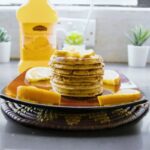
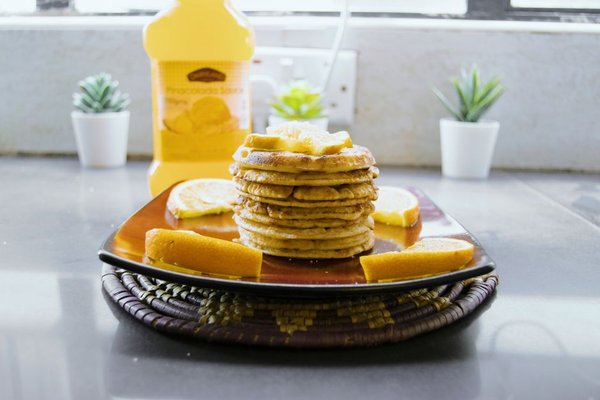
There is something about a slow weekend morning that makes pancakes worth the extra few minutes at the stove. A good stack should be tender inside, lightly golden outside, and fluffy enough to absorb a little butter or syrup without turning heavy. The good news is that homemade pancakes do not need a complicated formula. Once you understand how the batter should look and how the pan should behave, the same basic method works for classic, whole-grain, or fruit-filled versions.
Start With a Reliable Fluffy Pancake Batter
A dependable fluffy pancake recipe begins with flour, leavening, eggs, milk, melted butter or oil, a little sugar, and salt. For about eight to ten medium pancakes, try 1 1/2 cups all-purpose flour, 2 teaspoons baking powder, 2 tablespoons sugar, 1/4 teaspoon salt, 1 large egg, about 1 1/4 cups milk, and 2 tablespoons melted butter.
Whisk the dry ingredients in one bowl and the wet ingredients in another, then combine them. Stir only until no large pockets of dry flour remain. A few small lumps are fine. Overmixing develops more gluten and can make pancakes chewy instead of soft, so stop sooner than you might with a cake batter.
Give the Batter a Short Rest
If time allows, let the batter sit for five to ten minutes while the pan heats. The flour will hydrate and the batter may thicken slightly. If it becomes too stiff to pour, add a small splash of milk rather than stirring it aggressively.
Cook Pancakes at the Right Heat
Medium heat is usually better than high heat. A pan that is too hot can brown the outside before the center sets, while a pan that is too cool can produce pale, dry pancakes. Preheat a skillet or griddle, add a thin film of butter or neutral oil, and test one small pancake before making the full batch.
For evenly sized easy pancakes, use about 1/4 cup of batter per pancake. Cook until bubbles appear across the surface, the edges look less glossy, and the underside is golden. Flip once and cook the second side until set. Do not press the pancake with the spatula because that pushes out steam and works against a light texture.
A Practical Weekend Timing Trick
When cooking for several people, keep finished pancakes warm in a low oven, around 200°F, on a baking sheet while you finish the batch. This lets everyone eat together without leaving the first pancakes to cool on the counter.
Try Whole-Grain Pancakes Without Making Them Heavy
For a heartier version, replace one-third to one-half of the all-purpose flour with whole-wheat flour. That adds more grain flavor and fiber while keeping the texture familiar. If you use all whole-wheat flour, you may need a little extra milk because whole-grain flour absorbs more liquid.
You can also replace part of the flour with finely ground rolled oats or oat flour. These breakfast pancakes are especially good with sliced bananas, toasted nuts, yogurt, or a light drizzle of honey.
Add Fruit Without Making the Center Gummy
Fruit changes the flavor without changing the core method. For blueberry pancakes, pour the batter onto the griddle first and scatter a few berries over each pancake instead of mixing a large amount into the bowl. This gives you better control and helps prevent crushed fruit from streaking the batter.
For banana pancakes, mash one ripe banana and reduce the milk slightly so the batter does not become too loose. Finely diced apple works well with cinnamon, but keep the pieces small so they soften during cooking. Frozen berries can also be used straight from the freezer, though the pancakes may need a little more time to cook through.
Simple Toppings That Go Beyond Syrup
Maple syrup is classic, but pancake recipes are easy to vary with toppings you already have. Fresh berries and yogurt add brightness, while peanut or almond butter adds richness. Warm fruit compote is useful when berries or stone fruit are becoming too soft for snacking but are still perfectly good to cook.
For a less sweet plate, try plain Greek yogurt, sliced fruit, and chopped nuts. For children, put out two or three toppings and let everyone build their own stack. That small choice can make a simple breakfast feel more like a weekend treat.
How to Fix Common Pancake Problems
Pancakes Are Flat
Use fresh baking powder and avoid overmixing. Old leavening loses strength, while too much stirring can make the batter heavier.
Pancakes Brown Too Fast
Lower the heat and give the pan a moment to cool before the next batch. Butter browns quickly, so using a small amount of neutral oil can help with heat control.
The Centers Stay Raw
Use slightly less batter per pancake or reduce the heat. Thick pancakes cooked over high heat often color before the middle has time to set.
Freeze Extras for Faster Breakfasts
Pancakes freeze well, so making a double batch can save time later. Cool them completely, separate layers with parchment or wax paper if needed, and store them in a freezer-safe bag or container. Remove as much excess air as practical before freezing.
Reheat individual pancakes in a toaster or toaster oven for firmer edges, or use the microwave when speed matters most. A low oven works well for reheating several at once. This is an easy way to have homemade pancakes on busy mornings without mixing fresh batter.
Useful Breakfast Ideas to Explore Next
For a larger brunch spread, natural next reads include make-ahead breakfast recipes, easy egg breakfasts, and weekend brunch ideas. Those topics pair well with pancakes, fruit, coffee, and other simple morning dishes.
Frequently Asked Questions
Why are some pancakes fluffier than others?
Fluffy pancakes depend on fresh leavening, gentle mixing, and the right pan temperature. Buttermilk can add acidity and tenderness, but regular milk and baking powder can also produce a soft, light result.
Can I make pancake batter the night before?
It is usually better to mix batter shortly before cooking because baking powder begins reacting after the wet and dry ingredients are combined. To save time, measure the dry ingredients the night before and add the wet ingredients in the morning.
Can I make pancakes without butter?
Yes. A neutral cooking oil works well in the batter and for greasing the pan. The flavor changes slightly, but the pancakes can still be tender and fluffy.
How do I know when to flip a pancake?
Flip when bubbles have formed across the top, some have popped, and the edges look set rather than wet. The first side usually takes longer than the second, so rely on visual cues more than a fixed timer.
A Better Weekend Stack Comes Down to Technique
Great pancakes are less about fancy ingredients than a few repeatable habits: mix gently, use fresh leavening, control the heat, and flip when the surface gives you the right cues. From that foundation, you can move easily between classic, whole-grain, and fruit-filled pancakes, then freeze extras for another morning. Master the basic batter once, and weekend breakfast becomes much easier to customize.