
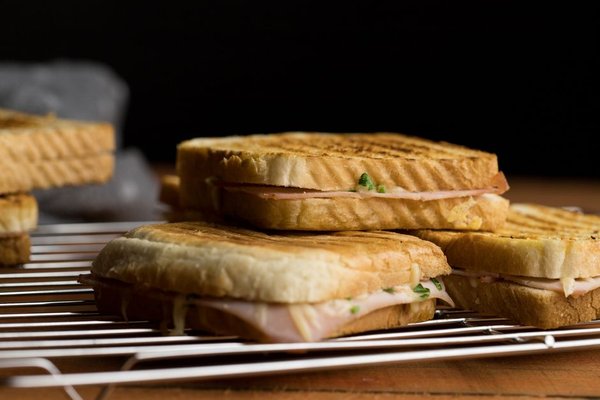
A good breakfast sandwich solves two morning problems at once: it gives you a filling meal you can hold in one hand, and it can be adapted to whatever is already in the refrigerator. Eggs and cheese are the familiar starting point, but vegetables, bacon, sausage, avocado, beans, and plant-based proteins can all work. The trick is building the sandwich so the bread stays sturdy, the fillings heat evenly, and it still tastes good if you make it ahead.
Rather than treating breakfast sandwiches as one fixed recipe, think of them as a formula. Choose a bread, add a protein, include something creamy or melty, then bring in vegetables, herbs, or a bright sauce. That makes it easy to create breakfast sandwich ideas for busy weekdays or weekend meal prep.
Start With a Bread That Can Handle the Filling
English muffins, bagels, biscuits, croissants, rolls, and sturdy sliced bread all make good bases. A toasted English muffin is compact and freezer-friendly, while a bagel handles heavier fillings such as sausage, eggs, and roasted vegetables.
For make ahead breakfast sandwiches, lightly toast the cut side of the bread. This creates a small barrier against moisture from eggs, vegetables, or sauces. Avoid over-toasting, because the bread can become tough after reheating.
Build a Better Egg Breakfast Sandwich
An egg breakfast sandwich does not have to rely on a fried egg made at the last minute. For meal prep, baked eggs are easier to portion. Whisk eggs, season them, and bake in a lightly greased dish until just set, then cut into pieces that fit your bread.
If you prefer scrambled eggs, cook them gently and stop while they are still slightly soft. They will firm as they cool and again when reheated. For sandwiches you plan to freeze, avoid very wet eggs because excess moisture can soak into the bread.
Classic Bacon, Egg, and Cheddar
Layer a toasted English muffin with egg, cheddar, and crisp bacon. A thin swipe of hot sauce or mustard adds flavor without making the sandwich overly wet.
Sausage, Egg, and Pepper
Pair a cooked breakfast sausage patty with egg, provolone, and sautéed bell peppers. Cook the peppers until most of their moisture has evaporated so the bread stays firmer during storage.
Spinach, Egg, and Feta
Combine egg with wilted spinach and crumbled feta. Squeeze excess moisture from the spinach before assembling. A small amount of pesto or roasted red pepper spread adds extra flavor.
Breakfast Sandwich Ideas Beyond the Usual Combination
Eggs are convenient, but you can also build sandwiches around tofu, turkey, avocado, cheese, beans, or leftover roasted vegetables. Switching the main filling keeps weekday breakfasts from feeling repetitive.
Plant-Based Tofu Breakfast Sandwich
Season a slice of firm tofu with paprika, garlic, pepper, and a little salt, then sear it until golden. Pair it with dairy-free cheese, mushrooms, and spinach on a toasted English muffin. Firm tofu reheats well, making this a practical plant-based meal-prep option.
Turkey and Swiss Morning Melt
Layer sliced turkey, Swiss cheese, and a little Dijon mustard on a toasted roll. Add an egg for extra richness, or keep it egg-free. Warm the sandwich just long enough to melt the cheese.
How to Make Ahead Breakfast Sandwiches That Stay Good
The biggest mistake is wrapping sandwiches while the fillings are still hot. Steam becomes trapped inside and can soften the bread. Let eggs, meat, and cooked vegetables cool before assembling.
For a practical weekday routine, make six sandwiches on Sunday. Lightly toast the bread, bake six egg portions in one pan, cook the protein, and cool everything separately. Assemble only after the ingredients have cooled. Keep a few in the refrigerator for the next several mornings and freeze the rest.
Place cheese next to the bread when possible and wetter ingredients toward the center. Use sauces sparingly in stored sandwiches. Fresh salsa, tomato, greens, or avocado can be added after reheating.
How to Freeze and Reheat a Breakfast Sandwich
A freezer breakfast sandwich works best when it is cooled completely, wrapped tightly, and protected from air. Wrap each sandwich securely and place it in a freezer-safe bag or container. Label the package with the filling and date so batches are easy to identify.
For the best texture, thaw a sandwich overnight in the refrigerator, then reheat until hot throughout. A microwave is fastest, while a toaster oven or conventional oven gives the bread a crisper finish. If reheating from frozen in a microwave, start at a lower power so the center can warm before the bread becomes overly hot.
Fresh tomato, avocado, and raw greens are better added after reheating. Cooked peppers, onions, spinach, and mushrooms freeze more successfully when excess moisture has been cooked off.
Simple Ways to Keep the Flavor Interesting
Small changes can make the same basic sandwich feel different. Try pepper jack instead of cheddar, mix herbs into the eggs, or use a little pesto, mustard, salsa, or harissa. A biscuit with sausage and cheddar feels hearty, while an English muffin with spinach, egg, and feta is lighter and brighter.
Related ideas such as easy make-ahead breakfasts, high-protein breakfast ideas, and quick weekday breakfast recipes also fit naturally into the same meal-planning routine.
Frequently Asked Questions
How long can breakfast sandwiches stay in the refrigerator?
For best quality, make-ahead sandwiches are usually most appealing within a few days. Cool the fillings before assembling, refrigerate promptly in a sealed container or tight wrapping, and reheat until hot throughout.
What cheese works best on breakfast sandwiches?
Cheddar, American, Swiss, provolone, pepper jack, and mozzarella all melt well. Feta and goat cheese are useful when you want a tangier flavor.
Can you freeze breakfast sandwiches with vegetables?
Yes. Cooked peppers, onions, spinach, and mushrooms are good choices when their excess moisture has been removed. Add watery ingredients such as fresh tomato or avocado after reheating.
How do you keep a freezer breakfast sandwich from getting soggy?
Lightly toast the bread, cool cooked ingredients before assembly, avoid overly wet sauces, and keep moist fillings away from the bread when possible. Do not wrap the sandwich until it has cooled completely.
A Breakfast Worth Making Ahead
The best breakfast sandwich recipes are less about one perfect combination and more about a reliable method. Choose sturdy bread, control moisture, match the fillings to how the sandwich will be stored, and rotate flavors so the routine stays interesting. With a small batch in the refrigerator and a few in the freezer, a filling breakfast can be ready even when the morning is not.